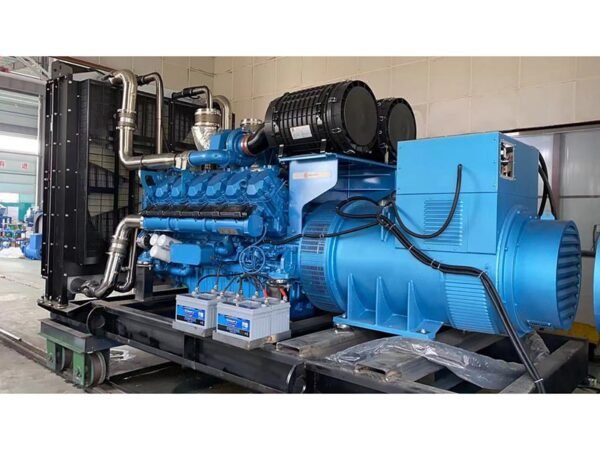
Electric generators play a vital role in powering homes, businesses, hospitals, construction sites and industrial facilities whenever the main electricity supply is unavailable or unreliable.
While many people rely on generators during power outages, few understand the process that converts fuel into usable electrical energy.
Contrary to popular belief, a generator does not create electricity from nothing. Instead, it converts mechanical energy into electrical energy through the principle of electromagnetic induction, first discovered by British scientist Michael Faraday in the 19th century.
The Basic Principle
A generator works by rotating a conductor—typically copper windings—within a magnetic field. As the conductor moves through the magnetic field, electrons begin to flow, producing an electric current.
This process is known as electromagnetic induction and forms the basis of nearly every modern electricity generator, from portable backup units to large power stations.
The Main Components of a Generator
Although generator designs vary depending on size and application, most contain the same essential components.
Engine
The engine provides the mechanical power needed to turn the generator’s alternator. Depending on the model, it may run on diesel, petrol, natural gas, biogas or liquefied petroleum gas (LPG).
The engine’s power output largely determines how much electricity the generator can produce.
Alternator
The alternator is the heart of the generator. It converts the engine’s rotational energy into electrical energy by rotating either the magnetic field or the windings.
Modern alternators are designed to deliver stable voltage and high efficiency while minimising energy losses.
Fuel System
The fuel system stores and delivers fuel to the engine. Larger industrial generators often include external fuel tanks that allow continuous operation for many hours or even days during extended power outages.
Voltage Regulator
Electrical equipment requires a stable voltage to operate safely.
The voltage regulator continuously monitors the generator’s output and adjusts the excitation of the alternator to maintain a consistent voltage even when electrical demand changes.
Cooling System
Engines generate significant heat during operation.
Generators use either air cooling or liquid cooling systems to keep engine temperatures within safe operating limits and prevent overheating.
Lubrication System
Oil circulates throughout the engine to reduce friction between moving parts, minimise wear and extend engine life. Regular oil changes are among the most important maintenance tasks for generator owners.
Control Panel
The control panel allows operators to start, stop and monitor the generator. Modern digital panels display information such as voltage, frequency, engine speed, fuel level, oil pressure and operating hours.
Many industrial generators also support remote monitoring through mobile networks or internet-connected management systems.
Step-by-Step: How Electricity Is Produced
The electricity generation process follows a straightforward sequence:
- The engine starts and burns fuel.
- Combustion produces mechanical energy.
- The engine rotates the alternator.
- Rotating magnetic fields induce an electric current in the windings.
- The voltage regulator stabilises the electrical output.
- Electricity flows through the generator’s outlets or transfer switch to power connected equipment.
The entire process takes only seconds after the generator starts.
AC and DC Electricity
Most standby and industrial generators produce alternating current (AC) because it is suitable for powering homes, commercial buildings and industrial equipment.
Some specialised generators produce direct current (DC) for battery charging, telecommunications systems and certain industrial applications.
Automatic Standby Generators
Many commercial buildings and critical facilities use automatic standby generators.
These systems are connected to an Automatic Transfer Switch (ATS), which constantly monitors the utility power supply.
If a power outage occurs, the ATS signals the generator to start automatically and transfers the electrical load within seconds. Once utility power returns, the system switches back and shuts down the generator safely.
This automation is especially important in hospitals, data centres, airports and manufacturing plants where uninterrupted power is essential.
Factors That Affect Generator Performance
Several factors influence how efficiently a generator operates, including:
- Engine size and power rating.
- Fuel quality.
- Electrical load.
- Ambient temperature.
- Altitude.
- Maintenance schedule.
- Air filter and cooling system condition.
Proper maintenance helps ensure reliable performance while reducing fuel consumption and extending equipment life.
Common Applications
Generators are widely used across many industries, including:
- Residential backup power.
- Construction sites.
- Hospitals and healthcare facilities.
- Manufacturing plants.
- Telecommunications towers.
- Mining operations.
- Farms and irrigation systems.
- Hotels and commercial buildings.
- Emergency response services.
Portable generators are also commonly used for outdoor events, small businesses and remote work locations where grid electricity is unavailable.
The Future of Generator Technology
While diesel generators continue to dominate heavy-duty applications, manufacturers are increasingly developing cleaner and smarter power solutions.
Hybrid generators that combine batteries with diesel engines can reduce fuel consumption, while natural gas and biogas generators offer lower emissions in suitable applications.
Digital control systems, remote monitoring, predictive maintenance and integration with renewable energy systems are also becoming standard features on modern generator installations.
Generators remain one of the most dependable sources of backup and off-grid electricity. By converting mechanical energy into electrical energy through electromagnetic induction, they provide reliable power for homes, businesses and critical infrastructure around the world.
Understanding how a generator works not only helps users operate the equipment safely but also highlights the importance of proper maintenance, correct sizing and regular servicing to ensure dependable performance whenever electricity is needed.
Also Read
- Gas vs Diesel Generators: Which Is Cleaner, Cheaper, and More Reliable?
- Diesel Generator Troubleshooting and Maintenance: A Practical Guide for Reliable Performance
- The comprehensive guide to Solar Generators: Powering your home sustainably

She brings insightful analysis and in-depth reporting to the sector, highlighting innovations and developments that shape Africa’s built environment.
- Moldtech: Engineering Africa’s Next Generation of Precast Concrete Production - September 23, 2026
- How They Were Built: Inside the Construction of the Grand Ethiopian Renaissance Dam - September 4, 2026
- CNH Construction Sales Rise 12% as North American Demand Offsets Tariff Headwinds - August 3, 2026