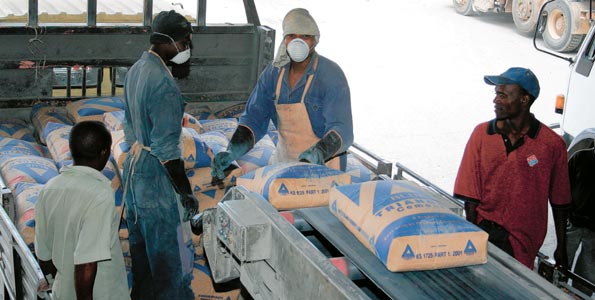
East Africa’s cement industry has become one of the most important pillars supporting the region’s infrastructure development, housing expansion and industrialisation ambitions.
From mega infrastructure projects and urban housing programmes to roads, ports, energy facilities and industrial parks, demand for cement continues to grow across Kenya, Tanzania, Ethiopia, Uganda and neighbouring markets.
The region has witnessed significant investment over the past decade, transforming cement production from a market dominated by a few traditional players into a highly competitive sector featuring multinational groups, regional champions and emerging manufacturers.
In 2026, East Africa’s cement market is being shaped by three major trends: increasing local clinker production, investment in modern manufacturing plants and growing competition among producers seeking a larger share of the region’s construction boom.
While challenges such as energy costs, raw material prices, currency fluctuations and excess production capacity remain, leading cement manufacturers are expanding their operations and adopting new technologies to improve efficiency.
East Africa’s Cement Market: Growth Driven by Infrastructure and Urbanisation
East Africa remains one of Africa’s fastest-growing construction markets. Population growth, urban migration and government investment in infrastructure continue to create long-term demand for cement.
Countries such as Kenya, Tanzania and Ethiopia have invested heavily in roads, railways, airports, industrial zones and housing developments, creating opportunities for cement producers.
Kenya’s infrastructure programmes, Tanzania’s port and industrial investments, Ethiopia’s urban expansion and Uganda’s growing construction sector have all contributed to rising cement consumption.
The region has also become increasingly self-sufficient in cement production. Many countries that previously depended heavily on imported cement and clinker have developed local manufacturing capacity.
However, competition has intensified as producers seek to balance growing output with market demand.
1. Bamburi Cement – Kenya’s Historic Cement Brand
Bamburi Cement remains one of East Africa’s most recognised cement producers, with a history dating back more than 70 years.
The company operates major production facilities in Kenya, including its Mombasa plant, which benefits from proximity to limestone resources and the Indian Ocean transport corridor.
Bamburi Cement has traditionally been one of Kenya’s largest suppliers of construction materials, producing well-known cement brands used in residential, commercial and infrastructure projects.
The company has invested in modern manufacturing technologies, environmental improvements and alternative fuel initiatives as the cement sector moves toward lower-carbon production.
Its strategic importance comes from its strong distribution network, established customer base and role in Kenya’s construction industry.
2. East African Portland Cement Company (EAPCC) – Kenya’s Legacy Producer
East African Portland Cement Company is one of Kenya’s oldest cement companies and has played a major role in the country’s industrial development.
Located near Athi River, one of Kenya’s largest industrial zones, EAPCC has historically benefited from access to limestone deposits and proximity to Nairobi’s construction market.
The company has faced financial and operational challenges in recent years but remains strategically important because of its land assets, manufacturing heritage and potential role in Kenya’s future cement supply.
Government and private-sector interest in revitalising the company reflects the importance of maintaining domestic cement production capacity.
3. Mombasa Cement – A Major Kenyan Private Cement Producer
Mombasa Cement has grown into one of Kenya’s leading private cement manufacturers.
The company operates the Vipingo cement plant in Kilifi County, near important limestone deposits along Kenya’s coastal region.
Its growth has been driven by investment in modern production technology and competitive pricing strategies.
Mombasa Cement has expanded its presence in Kenya’s construction market by supplying cement for housing projects, commercial developments and infrastructure works.
The company’s coastal location also provides logistical advantages for serving markets in East Africa and exporting to neighbouring countries.
4. National Cement Company – Expanding Kenya’s Cement Capacity
National Cement Company has become one of Kenya’s fastest-growing cement manufacturers.
Part of the Devki Group, the company operates the Simba Cement brand and has invested heavily in expanding production capacity.
Its Athi River manufacturing facility has strengthened Kenya’s cement supply base, while investments in clinker production have reduced reliance on imported materials.
The company’s expansion reflects a wider industry shift toward vertically integrated cement production, where manufacturers control more stages of the supply chain.
5. Dangote Cement – Regional Expansion Across East Africa
Dangote Cement is one of Africa’s largest cement producers and has expanded its presence across several East African markets.
The company operates in Tanzania through its large Mtwara cement plant, one of the biggest cement production facilities in the country.
The plant was developed to utilise Tanzania’s significant limestone resources and support domestic demand while creating opportunities for exports to neighbouring countries.
Dangote Cement’s strategy across Africa has focused on building large-scale integrated plants capable of producing both cement and clinker.
Its presence has increased competition in East Africa’s cement sector by introducing additional production capacity and aggressive market expansion.
6. Twiga Cement – Tanzania’s Established Cement Producer
Twiga Cement is one of Tanzania’s most established cement companies.
Located near Dar es Salaam, the company has benefited from being close to Tanzania’s largest commercial centre and major construction markets.
Twiga Cement supplies cement for residential construction, infrastructure projects and commercial developments throughout Tanzania.
The company has built a strong reputation for product quality and remains an important player despite increasing competition from newer producers.
7. National Cement Ethiopia and Ethiopia’s Growing Cement Sector
Ethiopia has one of East Africa’s largest populations and significant long-term demand potential for cement.
Companies such as National Cement Ethiopia have contributed to the country’s expanding cement manufacturing base.
Ethiopia’s cement industry has grown alongside urban development, industrial parks and government infrastructure programmes.
However, producers continue to face challenges linked to energy availability, logistics costs and foreign exchange shortages.
Despite these obstacles, Ethiopia remains one of the most strategically important cement markets in East Africa due to its population size and development needs.
Major Cement Manufacturing Plants Driving East Africa’s Industry
The region’s cement production capacity is concentrated around several major industrial locations:
Kenya
Key cement production hubs include:
- Athi River industrial zone near Nairobi
- Mombasa and coastal limestone regions
- Kilifi County
These locations benefit from access to limestone deposits, transport networks and major construction markets.
Tanzania
Important cement manufacturing centres include:
- Mtwara
- Dar es Salaam
- Tanga region
Tanzania’s abundant limestone resources have attracted significant investment in integrated cement plants.
Ethiopia
Production is concentrated around:
- Addis Ababa industrial areas
- Oromia region
- Central Ethiopian manufacturing zones
Challenges Facing East Africa’s Cement Manufacturers
Despite strong long-term demand prospects, cement producers face several challenges.
Rising Energy Costs
Cement production is energy-intensive, requiring significant electricity and fuel consumption.
Higher energy prices can increase production costs and affect cement pricing.
Excess Capacity Concerns
Some East African markets have expanded production faster than demand growth, creating pressure on manufacturers to find export markets.
Infrastructure and Logistics
Poor transport infrastructure in some areas increases the cost of moving cement from factories to consumers.
Environmental Pressure
Cement production contributes significantly to global carbon emissions.
Manufacturers are increasingly investing in alternative fuels, renewable energy, waste reduction and more efficient production methods.
Future Outlook: Where Is East Africa’s Cement Industry Heading?
The outlook for East Africa’s cement industry remains positive, supported by population growth, urbanisation and infrastructure investment.
However, the next phase of competition will likely focus less on simply adding production capacity and more on efficiency, sustainability and regional exports.
Leading manufacturers are expected to invest in:
- Cleaner production technologies
- Alternative fuels
- Digital manufacturing systems
- Improved logistics networks
- Export opportunities within Africa
The African Continental Free Trade Area (AfCFTA) could also create new opportunities by making it easier for cement producers to access neighbouring markets.
Countries with surplus production capacity may increasingly target regional exports as competition intensifies at home.
Cement Remains a Foundation of East Africa’s Growth
East Africa’s cement industry has evolved into a dynamic and competitive market featuring multinational corporations, regional champions and ambitious new entrants.
Companies such as Bamburi Cement, Mombasa Cement, National Cement, Dangote Cement and Twiga Cement continue to play important roles in supplying materials for the region’s transformation.
As governments accelerate infrastructure development and private investment expands, cement manufacturers will remain central to East Africa’s economic growth.
The winners in the coming years will likely be companies that combine production scale with efficiency, sustainability and the ability to serve increasingly connected regional markets.
Also Read
- How Cement Is Made: A Look Inside a Modern Cement Plant
- New Cement Technologies Reducing Costs in Africa: A Comprehensive Analysis
- 10 Largest African cement producing countries

With years of experience covering infrastructure projects, equipment, and engineering solutions, Yvonne brings in-depth analysis and practical insights to contractors, engineers, and industry stakeholders.
She is passionate about highlighting sustainable construction practices and the latest advancements that drive efficiency and safety on worksites.
- Why America’s Grid Expansion Is Creating a New Construction Boom - July 31, 2026
- U.S. Housing Starts Surge 19% in June, Signalling Strong Construction Activity Despite Decline in Building Permits - July 23, 2026
- 10 Benefits of Smart Buildings: How Intelligent Buildings Are Transforming Commercial Real Estate - July 21, 2026