

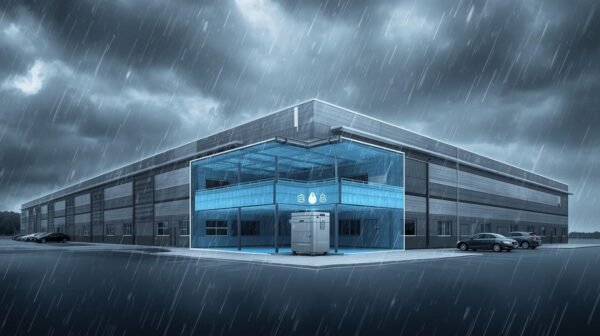
Waterproofing is one of the most important yet often overlooked aspects of industrial and commercial construction.
From factories and warehouses to shopping malls and office complexes, these buildings face constant exposure to rain, humidity, and groundwater pressure.
Without proper waterproofing, water infiltration can cause structural damage, mold growth, corrosion, and expensive operational downtime.
For property owners and facility managers, investing in the right waterproofing system is not just about protecting buildings—it’s about safeguarding long-term business operations, assets, and people.
Common Waterproofing Challenges
Industrial and commercial structures are exposed to unique risks:
-
Flat Roofs: Prone to water pooling and leakage.
-
Basements & Foundations: Vulnerable to groundwater seepage and hydrostatic pressure.
-
Concrete Cracks & Expansion Joints: Weak points where water easily penetrates.
-
Exterior Walls: Susceptible to wind-driven rain and moisture ingress.
-
High-Traffic Floors: Spillages and cleaning water can damage surfaces without proper sealing.
These challenges highlight the need for durable, tailored solutions.
Proven Waterproofing Solutions
1. Liquid-Applied Membranes
Liquid membranes form a seamless, flexible coating that adheres to roofs, walls, and even irregular surfaces. They are especially effective for:
-
Flat roofs with water pooling risks.
-
Areas with complex geometries.
-
Buildings needing quick application with minimal disruption.
2. Cementitious Coatings
A cost-effective and easy-to-apply solution commonly used for:
-
Basements and foundation walls.
-
Water tanks and treatment plants.
-
Interior wet areas such as bathrooms and kitchens in commercial buildings.
3. Bituminous Waterproofing Systems
These asphalt-based membranes are widely used because of their durability and weather resistance. They are ideal for:
-
Roof structures.
-
Below-ground foundations.
-
Areas requiring a tough, long-lasting barrier.
4. Polyurethane Coatings
Known for elasticity and UV resistance, polyurethane is best suited for:
-
High-traffic zones such as parking decks.
-
Exposed roofs that face harsh weather.
-
Structures requiring a long service life.
5. Drainage & Moisture Control Systems
Waterproofing isn’t only about coatings. Supporting systems like drainage pipes, sump pumps, and vapor barriers help manage water pressure and redirect moisture away from building foundations.
6. Eco-Friendly Waterproofing Solutions
With sustainability becoming a priority, green membranes and roof garden waterproofing systems are gaining popularity. These solutions reduce heat, improve energy efficiency, and support environmental goals.
Maintenance & Best Practices
Even the best waterproofing systems need proper care. Facility managers should:
-
Schedule regular inspections after heavy rains.
-
Seal cracks and repair damage immediately.
-
Keep roof drainage systems clear of debris.
-
Hire certified contractors for major projects.
-
Combine waterproofing with thermal insulation to maximize building performance.
The ROI of Waterproofing
While waterproofing requires upfront investment, the return is clear:
-
Lower repair costs from water damage.
-
Extended building lifespan.
-
Healthier environments free from mold and dampness.
-
Reduced downtime in industrial facilities.
In many cases, the cost of waterproofing is far less than the financial impact of major water-related damage.
Effective waterproofing is not optional—it is a necessity for industrial and commercial buildings.
By choosing the right solutions and ensuring regular maintenance, businesses can protect their infrastructure, improve energy efficiency, and secure long-term value.
Whether it’s a warehouse roof, a commercial basement, or a large industrial facility, waterproofing is the invisible shield that keeps operations running smoothly.
Also Read
The complete guide to waterproofing your bathroom floor
The future of roofing: Trends and Technologies to Watch

- How They Were Built: Inside the Engineering of the Lesotho Highlands Water Project - October 11, 2026
- Africa’s Water Reuse Opportunity: Building the Infrastructure for a Water-Secure Future - September 28, 2026
- Why Water Reuse Is Becoming a Business Imperative for African Industry - September 28, 2026