
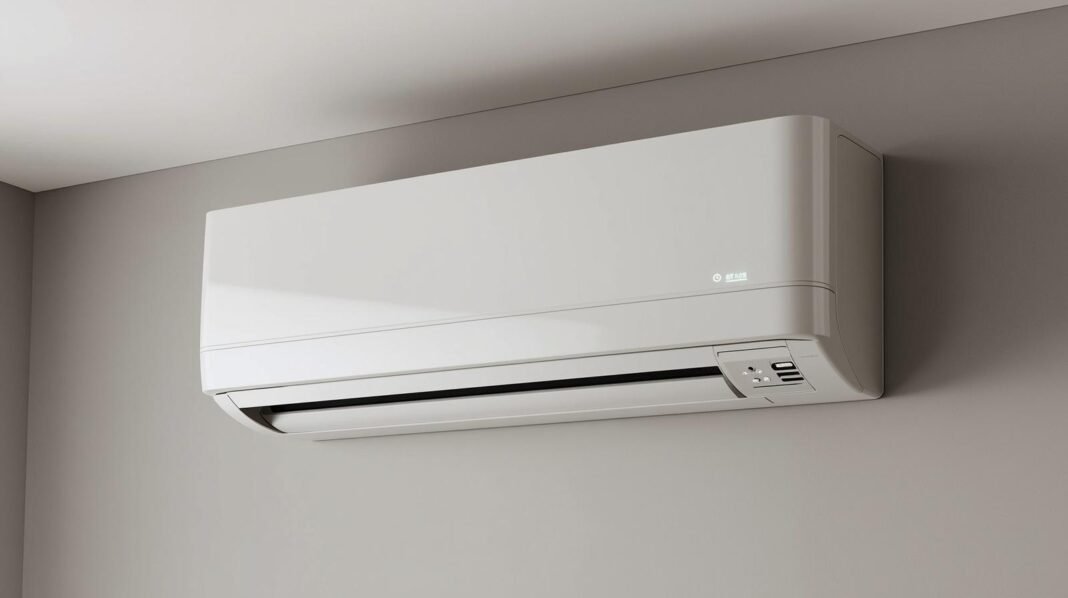
Your air conditioner sat dormant all winter. Now, as temperatures begin to climb, it’s time to find out if it’s truly ready for the months ahead.
Air conditioners that haven’t been maintained tend to struggle the most precisely when you need them the most — on the hottest days of the year.
The good news? Most common AC problems have straightforward fixes, and catching them early can save you hundreds, even thousands, of dollars in emergency repairs.
This guide covers the 10 most common AC problems homeowners face, what causes them, and exactly what you can do — whether that’s a quick DIY fix or a call to a licensed HVAC technician.
AC Repair Insights
- $350–$450 – Average AC repair cost
- $2,000+ – Major compressor repair
- 9/10 – Calls caused by dirty filters
The 10 Problems — Diagnosed
From the easiest DIY fix to issues that demand a professional.
1. Dirty or Clogged Air Filter
The Problem
This is, without question, the number one AC problem. A clogged air filter restricts airflow, dramatically reducing efficiency and the system’s ability to cool your home. It can also cause the evaporator coil to freeze solid, leaving you with no cooling at all. As HVAC expert Stewart Unsdorfer famously put it: when AC units aren’t working well, nine times out of ten it’s a dirty filter.
Signs to Watch For
Weak or reduced airflow from vents, higher-than-usual electricity bills, warm air from vents, or a system that frequently freezes up.
The Fix
Check your filter monthly. Replace flat panel filters every month and pleated filters every 1–3 months. If you have pets or run your system constantly, change filters more often. Hold the filter up to light — if you can’t see light through it, it’s time to replace it. A new filter costs as little as $5–$20 and takes two minutes to swap out.
2.Thermostat Malfunctions or Wrong Settings
The Problem
The thermostat is the brain of your AC system. If it’s set incorrectly, has dead batteries, is positioned in direct sunlight, or has a faulty sensor, your system may not operate at all — or it may run continuously without cooling your home properly.
Signs to Watch For
AC won’t turn on, runs non-stop, or cools inconsistently across different parts of your home. A blank screen on a programmable thermostat often signals dead batteries.
The Fix
Start with the basics: replace the batteries (even if the screen isn’t blank), confirm it’s set to “Cool” mode, verify the temperature is set below the current room temperature, and clean out dust. Make sure your thermostat is away from direct sunlight, lamps, or air vents that could trick it into thinking the room is hotter or cooler than it is. For central AC, recalibrate if needed. If problems persist, a licensed tech can inspect for faulty wiring or a defective component.
3.Refrigerant Leak
The Problem
Refrigerant (coolant) is the lifeblood of your AC. When it leaks — through installation undercharging or degraded coolant lines — your system loses its ability to transfer heat and cool your home. Low refrigerant causes the compressor to run hot and, eventually, seize permanently. This is one of the most environmentally harmful and costly AC failures. Note: older systems using R-22 (Freon) are even more problematic, as this refrigerant is now phased out and no longer manufactured.
Signs to Watch For
A hissing sound near the unit, ice forming on the refrigerant lines, warm air blowing from vents, rising humidity indoors, or brightly colored stains and oily residue near the outdoor unit.
The Fix
Turn off your unit immediately and call a certified HVAC technician. Refrigerant handling requires EPA certification. A technician will locate and repair the leak, pressure-test the repair, and then recharge the system to manufacturer specifications. Simply adding more refrigerant without fixing the leak is not a solution — it will leak again and damage your compressor.
Important: If your system was installed before 2011 and uses R-22 refrigerant, consider upgrading. R-22 is no longer produced; only recycled supplies exist, making repairs increasingly expensive. Modern R-410A systems are far more efficient and environmentally responsible.
4.Frozen Evaporator Coils
The Problem
The evaporator coil absorbs heat from indoor air. When airflow over it is restricted or refrigerant levels drop, the coil can drop below freezing and ice up — blocking all cooling. A fully frozen coil means zero cold air from your vents.
Signs to Watch For
Ice visible on the refrigerant lines or indoor unit, warm or no air from vents despite the system running, water pooling around the indoor unit as ice melts.
The Fix
Turn the AC off and switch your thermostat fan to “Fan Only” — this blows warm air over the coils to melt ice without starting a cooling cycle. Full thawing can take up to 24 hours. Once thawed, check and replace your air filter immediately (the most common cause). If freezing recurs, the underlying cause is likely dirty coils, a clogged drain line, or a refrigerant leak — all of which require a professional.
5.Clogged Condensate Drain Line
The Problem
Your AC removes humidity from the air, and that moisture drains away through the condensate drain line. Over time, algae, mold, dust, and debris build up inside this line and block it. A clogged drain causes water to back up and overflow — potentially flooding your indoor unit, causing water damage, and triggering mold growth inside your walls.
Signs to Watch For
Water pooling around the indoor unit, musty odors, high indoor humidity levels, or the AC shutting off automatically (many modern systems have a float switch that cuts power when water backs up).
The Fix
Turn off your system. Locate the drain line (usually a white PVC pipe near the indoor unit). Use a wet/dry vac to suction out any blockage from the external drain opening. Then pour a cup of distilled white vinegar (or a diluted bleach solution — 1 cup bleach to 1 gallon water) into the drain access point to kill mold and algae. Do this every 1–3 months as preventive maintenance. For stubborn clogs, an HVAC tech can use a pressurized flush.
6.Dirty Condenser Coils
The Problem
The condenser coils sit outside in the elements and release the heat pulled from your home into the outdoor air. When they become coated in dirt, leaves, grass clippings, or grime, they can’t expel heat efficiently. This forces your compressor to work harder, consumes more energy, and can ultimately lead to compressor failure.
Signs to Watch For
Your home struggles to reach the set temperature, the outdoor unit is visibly dirty or has debris accumulated around it, or energy bills are creeping up without explanation.
The Fix
Turn off the unit entirely. Clear away leaves, grass, and debris from around the outdoor unit (maintain at least 2 feet of clearance on all sides). Use a garden hose to gently rinse the fins from the inside out — never use a pressure washer. Do this once a year in spring. For heavy dirt buildup, an HVAC technician will apply a chemical coil cleaner for a thorough restoration. Keep your unit shaded if possible — a shaded condenser runs 5–10% more efficiently.
7.Failed Capacitor
The Problem
The capacitor is a small but critical cylindrical component that stores and releases a high-voltage burst of energy to start your AC’s motors — the compressor and the outdoor fan. Without a functioning capacitor, neither motor can start.
Capacitors fail from age, extreme heat exposure, power surges, and heavy use. Most last 10–20 years, but summer heat accelerates wear significantly. A failed capacitor left unaddressed will eventually destroy your compressor — a repair that can cost $2,000 or more.
Signs to Watch For
A loud humming from the outdoor unit with the fan not spinning, the AC struggling or taking a long time to start (“hard starting”), the system shutting off by itself after a few minutes, warm air blowing despite the system running, rising electricity bills, or visible swelling/bulging on the capacitor casing, oil leakage, or burn marks.
The Fix
With power fully off, you can safely do a visual inspection of the outdoor unit — look for a swollen top, oily residue, or burn marks on the capacitor. If you see these, do not touch the component. Capacitors store dangerous electrical charge even when power is disconnected. Have a licensed HVAC technician test and replace the capacitor. Replacement is relatively inexpensive ($150–$300 including labor) compared to the compressor damage it prevents.
Safety Warning: Never attempt to touch, discharge, or replace a capacitor yourself. Even with the power off, capacitors can hold a lethal electrical charge. This is strictly a job for a trained HVAC professional.
8.AC Won’t Turn On (Tripped Breaker / Electrical Issue)
The Problem
One of the most alarming moments — you set the thermostat and nothing happens. This is often caused by a tripped circuit breaker, but can also stem from faulty wiring, a blown fuse, a failed capacitor, or a disconnected power switch near the outdoor unit. Frequently tripped breakers signal a deeper electrical issue that needs professional attention.
Signs to Watch For
The system doesn’t respond at all, or the circuit breaker in your electrical panel has flipped to the “off” or middle position.
The Fix
Stand to the side of the breaker box (not directly in front), locate the breaker for your AC, flip it fully to “Off,” then back to “On.” Give the system a 5-minute rest before trying to start it again. Check that the outdoor disconnect switch (usually in a box near the unit) hasn’t been switched off accidentally. If the breaker trips again immediately, stop — this signals overloaded circuits or wiring faults. Do not attempt to open the electrical panel yourself. Call an electrician or HVAC technician.
9.Short Cycling (AC Turns On and Off Repeatedly)
The Problem
Short cycling is when your AC turns on, runs for only a few minutes, shuts off, then starts again — over and over.
This rapid cycling prevents your system from completing a full cooling cycle, leaves your home uncomfortable and humid, and puts enormous strain on the compressor.
Left untreated, short cycling drastically shortens the lifespan of the entire system. Causes include dirty filters, a clogged condenser, a failing capacitor, or — in the worst case — an oversized system that’s too powerful for your home.
Signs to Watch For
The AC runs in short bursts of 2–5 minutes and restarts frequently. Your home never reaches the set temperature. Energy bills are unusually high.
The Fix
Start by replacing your air filter and clearing debris from around the outdoor unit — these are the most common culprits and can be fixed immediately. If this doesn’t resolve the issue, call an HVAC technician to check the refrigerant charge, inspect the capacitor, and evaluate whether your system is properly sized for your home. An oversized unit will short cycle perpetually and may ultimately need replacement with a correctly sized system.
10.Strange Noises from the Unit
The Problem
A healthy AC hums quietly in the background. Unusual sounds are your system’s way of crying for help — and different sounds point to different problems. Ignoring them leads to bigger, more expensive damage.
Decode the Sounds
Hissing: Refrigerant leak — turn the unit off and call a pro immediately.
Banging or clanking: A loose or broken part inside the compressor or a loose blower fan blade — shut off the unit.
Clicking (at startup): Normal. Clicking that continues during operation points to a relay problem.
Squealing or screeching: A worn fan belt or a failing motor bearing.
Buzzing: Electrical issue — loose wiring, a bad contactor, or a failing capacitor.
Vibrating rattling: Loose panels, screws, or debris in the unit (leaves, twigs).
The Fix
For rattling and vibrating: turn off the unit and inspect for debris or loose screws on the access panels — these can often be tightened or cleared yourself. For all other unusual sounds, shut the system off to prevent further damage and schedule a professional diagnostic. The longer unusual sounds are ignored, the more expensive the eventual repair becomes.
Pre-Summer AC Checklist
Run through these every spring before temperatures climb:
- Replace or clean the air filter (and set a monthly reminder to check it)
- Clear 2 feet of clearance around the outdoor condenser unit
- Rinse condenser coils gently with a garden hose
- Replace thermostat batteries and verify settings are correct
- Flush the condensate drain line with vinegar or a diluted bleach solution
- Turn on the system and listen carefully for any unusual sounds
- Check all supply vents are open and unblocked by furniture
- Inspect refrigerant lines for ice, oily residue, or visible damage
- Book a professional tune-up if the system is over 5 years old
- Confirm your circuit breaker for the AC is not tripped
When Fixing Isn’t Enough
System Age
Most AC units last 12–15 years. If yours is approaching or past that threshold and requiring frequent repairs, replacement is more cost-effective.
R-22 Refrigerant
Systems using phased-out R-22 (Freon) face rapidly escalating repair costs. Modern R-410A systems can cut cooling costs by up to 40%.
Capacity Loss
If your system has lost more than 20% of its cooling capacity despite repairs, upgrading to a properly sized, high-SEER unit will pay for itself in energy savings.
Also Read
Top HVAC Companies In The U.S. To Watch In 2026
From Halifax to Phoenix: How HVAC Companies Are Redefining Comfort in 2025

- 10 Common AC Problems and How to Fix Them Before Summer Hits - March 26, 2026
- How Komatsu Is Building the Future of Autonomous Mining in Africa in 2026 - March 25, 2026
- SASSA confirms COVID-19 SRD payment dates for April 2026 - March 24, 2026
