
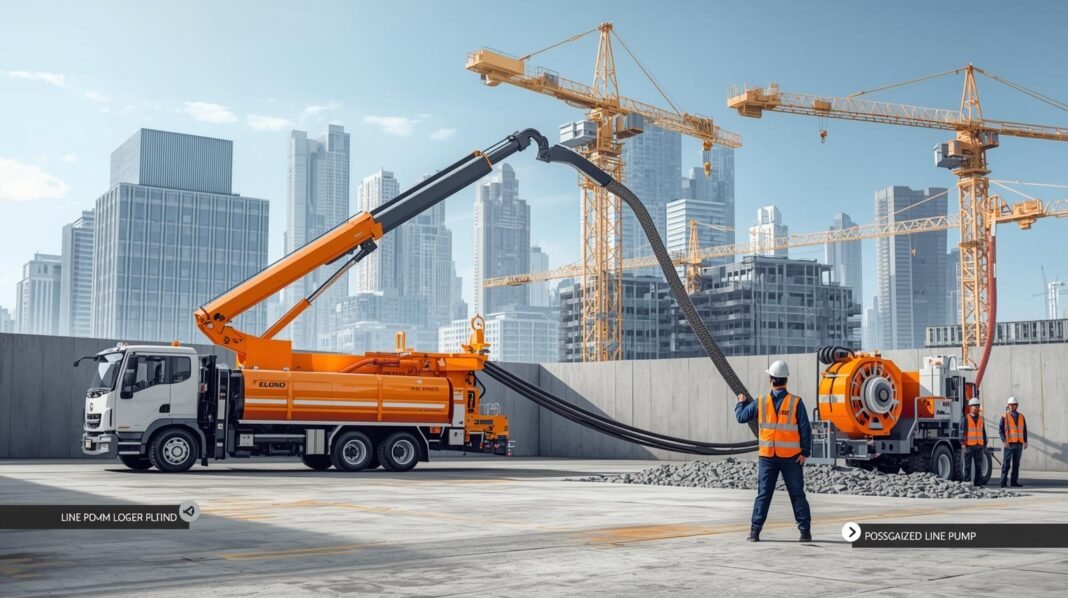
Concrete pumping technology has become a vital part of modern construction. Whether you are pouring a residential slab, constructing high-rise buildings, or working on large infrastructure projects, choosing the right pump for concrete can significantly improve efficiency, reduce labor costs, and ensure consistent placement.
In 2025, the market offers a wide range of pumps designed for different applications, budgets, and job site requirements.
This comprehensive guide explores the main types of concrete pumps, their typical prices, rental rates, key specifications, and factors to consider before making a purchase decision.
What Is a Concrete Pump and Why It Matters
A concrete pump is a machine that transfers freshly mixed concrete from a mixer to the exact location where it is needed.
Instead of relying on wheelbarrows or cranes, a pump pushes the material through steel or rubber hoses, powered by hydraulics. This technology speeds up pouring, reduces manual labor, and improves quality by allowing continuous placement even in hard-to-reach areas.
How Concrete Pumps Work
Most modern pumps use a twin-piston system with an S-valve. In this setup, one cylinder draws concrete into the pump while the other pushes it out into the delivery line. The S-valve alternates between the two cylinders, ensuring continuous flow.
Output is usually measured in cubic meters per hour (m³/h), while pressure is rated in bar. The actual performance depends on factors such as line length, vertical rise, hose diameter, bends in the pipeline, and concrete mix design.
Types of Concrete Pumps
1. Line (Trailer) Pumps
Line pumps, also known as trailer pumps, are compact units towed to site and connected to a flexible pipeline. They are commonly used for residential slabs, beams, driveways, and small to mid-sized commercial projects.
With outputs ranging from 30 to 100+ m³/h and pressure ratings of 50–100 bar, they provide cost-effective versatility.
Advantages: Affordable, easy to transport, flexible pipeline routing.
Disadvantages: Slower than boom pumps, require more setup time, and additional labor to handle hoses.
2. Truck-Mounted Boom Pumps
Boom pumps are mounted on heavy trucks and fitted with hydraulic arms (booms) that can extend vertically and horizontally.
They are ideal for large pours, high-rise projects, and jobs requiring fast placement. In 2025, boom pumps are available in sizes ranging from compact 24-meter models to massive 65-meter units.
Advantages: Fast, precise concrete placement, reduced labor, and large reach.
Disadvantages: High purchase price, larger setup area, and more complex maintenance.
3. Stationary Pumps with Placing Booms
Stationary pumps remain fixed on the ground, delivering concrete through a separate placing boom installed on a building or tower. They are widely used in long-term, high-rise projects where repetitive floor-by-floor placement is required.
Advantages: Efficient for tall structures, reduces truck movement.
Disadvantages: Higher initial investment and more planning required.
4. Shotcrete and Grout Pumps
Shotcrete pumps are designed for spraying concrete at high velocity, making them suitable for tunnels, swimming pools, slope stabilization, and repair work. Grout and mortar pumps handle smaller aggregate mixes for masonry walls or void filling.
Advantages: Specialized delivery for unique applications.
Disadvantages: Require skilled nozzle operators and precise mix design.
5. Diesel vs Electric Pumps
Most mobile pumps are powered by diesel engines, offering flexibility and independence from site power. However, electric pumps are becoming popular for urban areas, indoor work, and emission-sensitive projects due to their lower noise and operating costs.
Prices of Concrete Pumps in 2025
New Equipment
-
Line (Trailer) Pumps: $20,000 – $120,000
-
Truck-Mounted Boom Pumps:
-
24–28 m: $180,000 – $350,000
-
32–38 m: $250,000 – $500,000
-
42–52 m: $400,000 – $800,000
-
56–65+ m: $700,000 – $1.5 million
-
-
Shotcrete/Grout Pumps: $15,000 – $80,000
-
Separate Placing Booms: $70,000 – $300,000+ (installation extra)
Used Equipment
The second-hand market offers significant savings, though inspection is essential.
-
Line pumps: $8,000 – $70,000
-
Boom pumps: $90,000 – $600,000
-
Shotcrete pumps: $7,000 – $50,000
Rental Rates
Rental is common when utilization is low or for specialized projects.
-
Line pumps: $130 – $200 per hour (or $400 – $900 per day)
-
Boom pumps: $150 – $250 per hour (or $800 – $2,500 per day)
-
Shotcrete units: Price on request (specialized crew required)
Key Factors to Consider When Buying
-
Project Requirements: Estimate average pour volume, peak output, vertical rise, and distance.
-
Pump Type: Choose between line, boom, or stationary systems depending on scale and frequency of projects.
-
Output and Pressure: Select a pump that exceeds your required output by at least 20% to cover losses.
-
Pipeline Diameter: Larger lines reduce friction and wear but may require higher output pumps.
-
Footprint and Logistics: Check access width, unfolding height, outrigger spread, and local road regulations.
-
Power Source: Decide between diesel for mobility or electric for low-noise, low-emission environments.
-
Dealer Support: Availability of spare parts and local servicing can save costly downtime.
Ownership Costs Beyond the Purchase Price
The true cost of ownership extends well beyond the purchase. Fuel, wear parts such as spectacle plates and piston cups, hydraulic oil, and regular servicing can add up.
Operators require training, and insurance or permits may apply for truck-mounted booms. Choosing a reliable brand with strong dealer support can minimize downtime and unexpected expenses.
New vs Used Pumps: What to Inspect
For buyers considering second-hand equipment, a thorough inspection is essential. Check operating hours, hydraulic pressure tests, wear on delivery cylinders, and condition of hoses and clamps.
For boom pumps, structural inspections of welds, pins, and the boom’s slewing system are critical. Always request service records and verify chassis roadworthiness.
Safety and Best Practices
Operating a concrete pump comes with inherent risks. Safe practices include ensuring the mix design is pumpable, using correct priming techniques, and never opening pressurized lines.
Washout must be managed responsibly to prevent environmental contamination. Ground stability and outrigger setup are crucial for booms, and exclusion zones should always be enforced around moving equipment.
Leading Brands in 2025
Globally recognized brands include Putzmeister, Schwing, SANY, Zoomlion, CIFA, Liebherr, Concord, DY, Everdigm, and REED. When choosing, prioritize not just specifications but also local dealer presence, spare parts availability, and service response times.
Frequently Asked Questions
Which pump is best for residential slabs?
A line (trailer) pump with 40–60 m³/h output is usually sufficient for residential foundations and slabs.
How much does a concrete pump cost in 2025?
New line pumps start at $20,000, while large boom pumps can cost up to $1.5 million. Rental rates range between $130–$250 per hour depending on type.
Should I rent or buy a concrete pump?
If usage is infrequent, renting is more economical. For contractors who pour regularly, ownership can reduce long-term costs.
Concrete pumps have revolutionized construction by offering faster, safer, and more efficient placement of concrete.
In 2025, contractors can choose from a wide variety of pumps, ranging from compact trailer models to massive 65-meter booms.
Prices vary significantly depending on capacity, reach, and technology, but careful selection ensures that contractors can match the right machine to their project needs.
For small contractors, a versatile line pump remains the most cost-effective entry point. Larger firms handling mid- to high-rise projects should consider investing in truck-mounted boom pumps or stationary systems with placing booms.
Regardless of the choice, reliability, dealer support, and safety remain the pillars of successful pump ownership.
Also Read
Roof Safety: Essential Gear and Practices for Roofers
The Most Common Construction Material Failures—and What They Teach Us

- U.S. Senators Push for Tariff Probe into Construction Equipment Imports from Mexico - March 30, 2026
- Top Smart Safety Shoes to Watch in 2026 - March 29, 2026
- SASSA Payment Dates for April 2026: What Every Beneficiary Needs to Know - March 29, 2026
