
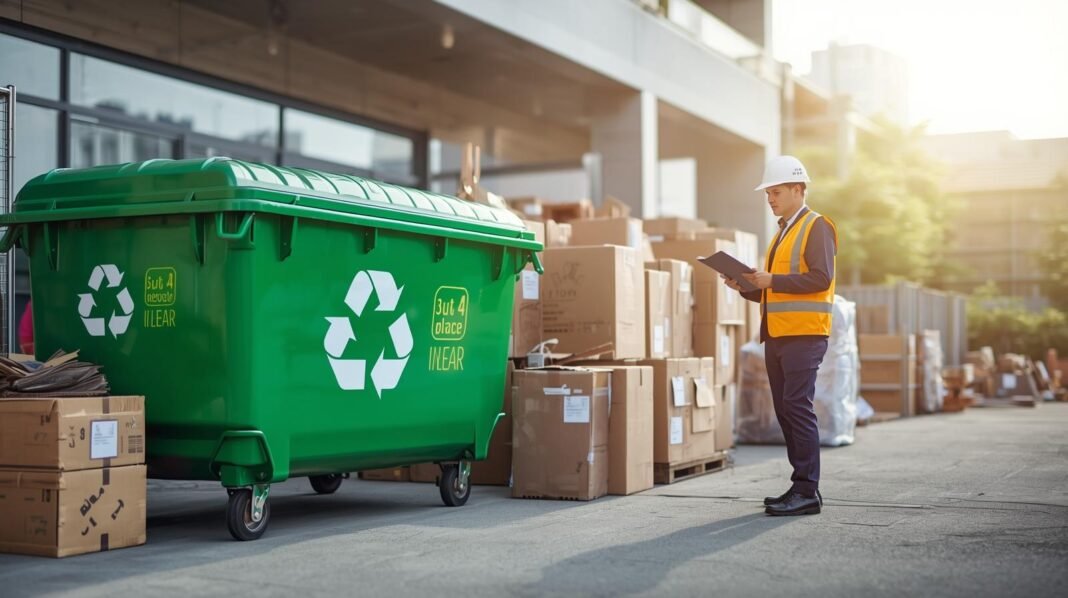
The construction industry generates approximately 600 million tons of debris annually in the United States alone, making proper waste management and recycling more critical than ever.
Whether you’re managing a construction project, planning a major home renovation, or organizing a large-scale cleanout, renting a recycling dumpster can significantly reduce your environmental footprint while potentially saving you money.
However, choosing the right dumpster rental service requires asking the right questions upfront to avoid costly mistakes and ensure your recyclable materials are handled properly.
Understanding Your Recycling Needs
Before you even pick up the phone to call a dumpster rental company, you need to assess what materials you’ll be disposing of and whether they’re recyclable.
Not all dumpster rental services handle recyclables the same way, and understanding your specific needs will help you ask more targeted questions.
Construction and demolition debris like concrete, asphalt, wood, metals, and drywall are often recyclable, but they may require separate containers or special handling.
Similarly, if you’re dealing with mixed materials from a home cleanout, you’ll need to know which items can go together and which require segregation.
Essential Questions About Acceptable Materials
What specific materials can I place in the recycling dumpster?
This is perhaps the most fundamental question you need to ask. Different rental companies have varying policies about what they accept.
Some may allow mixed recyclables, while others require materials to be separated. Common recyclable construction materials include concrete, brick, asphalt shingles, metal, wood, cardboard, and certain plastics.
However, hazardous materials like paint, chemicals, asbestos, batteries, and fluorescent bulbs are typically prohibited regardless of the service provider.
Are there any prohibited items I should know about?
Beyond hazardous materials, many companies prohibit items like mattresses, tires, appliances containing refrigerants, and electronics. Knowing these restrictions beforehand prevents delays and additional fees.
Some companies may accept these items for an extra charge or can direct you to appropriate disposal facilities.
Do I need to separate materials, or can I mix recyclables?
Some recycling facilities accept mixed loads and sort materials themselves, while others require source separation to ensure higher recycling rates and material purity.
If separation is required, ask whether you need multiple dumpsters or if the company offers compartmentalized containers.
Source separation typically results in better recycling rates but requires more effort and potentially more space on your property.
Size and Capacity Considerations
What dumpster sizes do you offer for recycling?
Dumpsters typically come in sizes ranging from 10 to 40 cubic yards. A 10-yard dumpster suits small bathroom renovations or garage cleanouts, while a 40-yard container is appropriate for major construction projects or whole-house demolitions.
The rental company should help you estimate the appropriate size based on your project scope, but having measurements of your workspace and estimates of your waste volume will facilitate this conversation.
What happens if I exceed the weight limit?
Most dumpster rentals come with weight limits, and exceeding them can result in substantial overage fees, sometimes calculated per ton.
Ask about the weight limit included in your rental fee and the cost of additional tonnage.
Heavy materials like concrete and dirt fill dumpsters quickly by weight even if there’s physical space remaining, so discuss whether a smaller container might be more cost-effective for dense materials.
Pricing and Fee Structure
What’s included in the rental price?
Understanding the complete cost structure prevents unpleasant surprises. The base rental fee should typically include delivery, pickup, a specified rental period, and a certain weight allowance.
However, some companies charge separately for each component. Ask specifically about delivery and pickup fees, the included rental duration, disposal costs, and any environmental or fuel surcharges.
Are there additional fees I should anticipate?
Beyond overage fees for exceeding weight limits, you might encounter charges for extended rental periods, prohibited items found during processing, contaminated loads that can’t be recycled, or difficult placement situations requiring special equipment.
Some municipalities also require permits for dumpsters placed on public streets, which may be your responsibility to obtain and pay for.
Do you offer any discounts for fully recyclable loads?
Some environmentally conscious companies incentivize recycling by offering reduced rates for clean, separated loads of recyclable materials.
These loads are easier and less expensive to process, and some companies pass those savings to customers. It’s worth asking whether keeping your load clean and recyclable can save you money.
Logistics and Placement
How much space do I need for the dumpster?
Beyond the dumpster’s footprint, you need clearance for the delivery truck to maneuver and space for the container to be placed and removed.
A typical delivery truck needs a clearance of at least 23 feet in height for overhead obstacles like power lines and tree branches, and approximately 10-12 feet in width. The ground should be firm and level to prevent the dumpster from sinking or tipping.
Will the dumpster damage my property?
Heavy dumpsters can crack driveways, damage pavement, or leave ruts in lawns. Ask whether the company uses boards or protective materials under the dumpster, and consider placing plywood sheets yourself for extra protection.
Some homeowners choose to place dumpsters on the street to avoid property damage, but this typically requires a permit from your local municipality.
How long can I keep the dumpster?
Rental periods typically range from 3 to 14 days, with weekly rentals being most common. Confirm what’s included in your base price and the cost of extending the rental if your project takes longer than anticipated.
Some companies offer flexible arrangements where you call for pickup when you’re ready, while others work on strict schedules.
Company Credentials and Practices
Are you properly licensed and insured?
A legitimate dumpster rental company should carry appropriate business licenses, liability insurance, and workers’ compensation coverage.
This protects you from liability if accidents occur during delivery or pickup. Don’t hesitate to ask for proof of insurance and verify that their credentials are current.
Where do recyclable materials actually go?
Not all companies claiming to offer recycling services actually recycle your materials. Some may simply transport everything to landfills despite charging recycling fees. Ask specifically which recycling facilities they partner with and what percentage of materials they typically divert from landfills.
Reputable companies should be transparent about their recycling processes and proud of their environmental track record.
Can you provide references or reviews?
Customer reviews and references offer valuable insights into a company’s reliability, customer service, and actual recycling practices.
Check online reviews on multiple platforms and don’t hesitate to ask for references from similar projects.
Pay attention to feedback about hidden fees, damage to property, and whether the company delivered and picked up the dumpster as promised.
Scheduling and Availability
When is the earliest you can deliver?
If you’re working on a tight project timeline, confirm delivery availability before committing. Some companies can deliver within 24 hours, while others may require several days’ notice, especially during busy construction seasons.
Similarly, ask about their pickup flexibility—some companies offer same-day or next-day pickup upon request, while others work on fixed schedules.
What’s your cancellation policy?
Project timelines change, and you might need to postpone or cancel your dumpster rental. Understanding cancellation fees and notice requirements protects you from unnecessary charges.
Some companies offer free cancellation with adequate notice, while others charge cancellation fees regardless of timing.
Making an Informed Decision
Renting a recycling dumpster represents a commitment to environmental responsibility while managing your waste disposal needs.
By asking these comprehensive questions upfront, you’ll avoid common pitfalls, ensure your recyclable materials are genuinely recycled, and potentially save money through proper planning and material separation.
Take notes during your conversations with different companies, compare not just prices but overall value and service quality, and don’t let pressure tactics rush you into a decision.
The right dumpster rental partner will answer all your questions clearly, help you understand your options, and work with you to create an efficient, environmentally sound waste management plan for your project.
Remember that choosing the cheapest option isn’t always the best decision—consider factors like reliability, true recycling practices, customer service, and transparency.
A slightly higher upfront cost with a reputable company often proves more economical than dealing with hidden fees, improper material handling, or unreliable service from a discount provider.
By doing your homework and asking these critical questions, you’ll contribute to a more sustainable future while successfully managing your project’s waste disposal needs.
Also Read
The Future of Demolition: How High-Reach Excavators and Robotics Are Changing the Industry
Top Self Loader Mixer Trucks for African Construction Projects

