
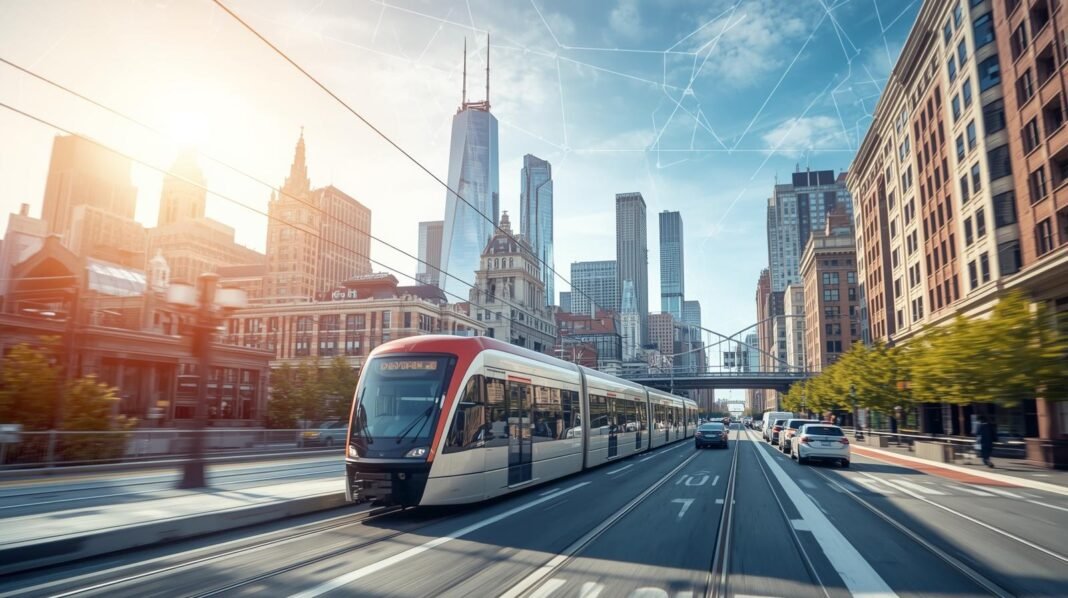
Public transit in the United States is entering a new phase of expansion and renewal in 2026.
After years of planning, federal funding, and local investment, key transit projects — from light rail extensions to multimodal hubs — are poised to open or significantly advance next year.
For cities striving to reduce congestion, boost sustainability, and improve connectivity, 2026 could be a turning point.
In this post, we explore the largest transit developments coming online or reaching major milestones in 2026, why they matter, and how they could reshape urban life and economic activity in American metros.
1. Sound Transit Light Rail Expansion — Seattle, Washington
In the Seattle metropolitan area, Sound Transit’s rail expansion will hit a crucial milestone in 2026.
-
New Service Launches: The remaining 7.4 miles and two stations of the expanded 2 Line will open, adding more frequent service from South Bellevue to Downtown Seattle.
-
Network Connectivity: This segment will connect with the existing 1 Line, effectively doubling frequency on key corridors and boosting capacity to serve over 120,000 daily riders once complete.
-
Infill Expansion: A new station at Pinehurst is also scheduled for a 2026 opening, improving access in north Seattle.
This expansion reflects one of the most ambitious light rail investments outside the Northeast and positions Seattle as a rapidly maturing transit market in the Pacific Northwest.
2. Charlotte Gateway Station — Charlotte, North Carolina
A transformative project for the Southeast, Charlotte Gateway Station is on track to begin major operations in 2026.
-
What It Is: An intermodal hub bringing together regional buses, the CityLynx Gold Line streetcar, future Lynx Silver Line, and Amtrak intercity rail service into one centralized station.
-
Economic Catalyst: The station anchors a mixed‑use district designed to spur housing, jobs, and walkable urban development near Charlotte’s Uptown core.
-
Timeline: Amtrak service and full intermodal operations are planned for 2026–2027, contingent on final testing and system readiness.
For a rapidly growing city like Charlotte, this station isn’t just transit infrastructure — it’s a platform for regional economic integration.
3. OC Streetcar — Orange County, California
Southern California is adding another streetcar to its transit portfolio in 2026:
-
Route Highlights: The 4+ mile OC Streetcar connects Santa Ana and Garden Grove with dedicated stations and transfers to Amtrak and regional rail lines.
-
Local Impact: It fills a long‑standing gap in local urban transit, extending reliable electric service through dense commercial and civic areas of central Orange County.
-
Service Start: Revenue service is expected in early 2026, bringing first/last‑mile relief to commuters and transit users in a region historically dominated by cars.
This project underscores trends toward reinvesting in rail in U.S. Sun Belt cities.
4. Los Angeles Metropolitan Transit Upgrades
Los Angeles, often synonymous with car culture, is quietly building one of the most expansive transit portfolios in the country — with parts of that network debuting in 2026:
-
Light Rail Extensions: Portions of the D Line (Purple) subway and other extensions toward major employment and residential centers are projected for delivery in 2026.
-
Airport Connectivity: Automated People Mover connections and station upgrades around LAX are slated to open in early 2026, improving access for air travelers.
-
Streetcar & BRT Progress: Projects like the OC Streetcar and future dedicated Bus Rapid Transit (BRT) corridors reflect a broader region‑wide commitment to multimodal transit.
Los Angeles continues its gradual shift from an auto‑centric network to a multimodal regional system.
5. Bus Rapid Transit & First‑/Last‑Mile Enhancements
While rail garners headlines, BRT systems and microtransit investments are equally transformative in 2026.
Examples of high‑impact bus‑centric projects:
-
Flash BRT Extensions — Montgomery County, Maryland: Expands high‑frequency bus service on dedicated lanes, improving reliability over longer corridors.
-
Hamilton Avenue BRT — Cincinnati, Ohio: A significant $140M+ BRT investment enhancing connectivity across a major urban arterial.
These bus networks often open faster and at a lower cost than rail alternatives, making them critical tools for expanding transit access, especially in medium‑sized cities.
6. Riders’ Experience: More Than Just New Lines
The transit landscape in 2026 isn’t only about new routes — it’s also about enhanced user experience and integrated mobility:
-
Active Transport Integration: Agencies, like Metro in Washington, D.C., are improving bike‑to‑rail connections with new infrastructure, encouraging multimodal travel.
-
Microtransit Programs: Services such as Houston’s free electric shuttles aim to fill gaps in traditional networks, emphasizing equitable access for underserved communities.
These enhancements reflect a broader trend toward holistic urban mobility, where transit, walking, cycling, and shared mobility work together.
What This Means for Cities in 2026
Public transit isn’t just expanding — it’s evolving. Across the United States, cities are:
-
Reducing congestion and vehicle emissions by deploying high‑capacity rail and BRT services.
-
Strengthening regional economic links by building intermodal hubs like Charlotte Gateway Station.
-
Increasing equity by investing in services that connect underserved neighborhoods.
-
Encouraging sustainable commuting through integrated bike access and last‑mile services.
Together, these projects are laying the foundation for more resilient, environmentally sustainable, and accessible cities.
Frequently Asked Questions (FAQs)
1. What is the fastest growing transit system in the US?
The Sound Transit Light Rail system in Seattle is currently the fastest-growing transit network in the U.S. With major expansions planned through 2026, including new lines and stations in Bellevue, Redmond, and North Seattle, Sound Transit is rapidly increasing its coverage and daily ridership. Other fast-growing systems include Los Angeles Metro Rail and Orlando’s SunRail, reflecting rapid transit investments in growing urban regions.
2. What is the biggest infrastructure project in the US?
The California High-Speed Rail project is the largest infrastructure initiative in the U.S., aiming to connect San Francisco to Los Angeles with high-speed rail trains capable of reaching 220 mph. Other major projects include Gateway Program in New York/New Jersey, I-69 expansion in the Midwest, and Charlotte Gateway Station, which integrates rail, bus, and streetcar systems.
3. Why did the US give up on public transit?
The decline of U.S. public transit in the mid-20th century was largely due to:
-
Suburbanization: Population shifted to areas poorly served by transit.
-
Automobile culture: Cars became the preferred mode of travel, supported by highway construction.
-
Policy and funding: Federal and local funding favored road construction over rail or bus systems.
However, recent trends are reversing this, with increased federal investment, sustainability goals, and urban growth driving renewed interest in public transit.
4. What is the future of public transportation?
The future of U.S. public transportation will focus on:
-
Electrification and zero-emission fleets to reduce carbon emissions.
-
Integrated multimodal systems combining rail, buses, bikes, and microtransit.
-
Smart technology like AI-driven scheduling, mobile ticketing, and real-time tracking.
-
Expanded access in growing urban areas to support equity and reduce congestion.
By 2026 and beyond, cities across the U.S. are investing in modern transit networks that are faster, cleaner, and more connected than ever before.
Also Read
10 Major Highway and Bridge Projects Transforming America in 2026
America’s Biggest Smart City Projects Set for 2026

