
We’ve all heard the statistics about plastic waste choking our oceans and overflowing landfills. But here’s what rarely gets discussed: How do we actually create the next generation of people who care enough to do something about it?
The answer might be simpler than we think—and it’s happening right now in Mitchell’s Plain, South Africa.
When “Dirt” Becomes Valuable
At Caradale Primary School, something remarkable has shifted in how students see the world around them.
Deputy Principal Dawn Cockrill noticed the change immediately. Students who once walked past empty bottles and discarded packaging now see opportunity where they used to see trash.
But this isn’t just about picking up litter. It’s about fundamentally changing how young minds understand value, work, and environmental responsibility.
Through PET-CO’s Schools Recycling competition, ordinary items like plastic bottles and liquid board cartons have become currency. Schools compete to collect the most recyclable materials, with winners receiving prizes to improve their facilities. It’s a simple concept with profound implications.
The Birth of Recycling Ambassadors
What happens when you give students ownership over something meaningful? They rise to the occasion.
Caradale Primary now has “recycling ambassadors”—students who proudly lead clean-ups and teach their peers proper waste sorting techniques. These aren’t kids being forced to participate in some tokenistic environmental program. These are young leaders who’ve discovered purpose.
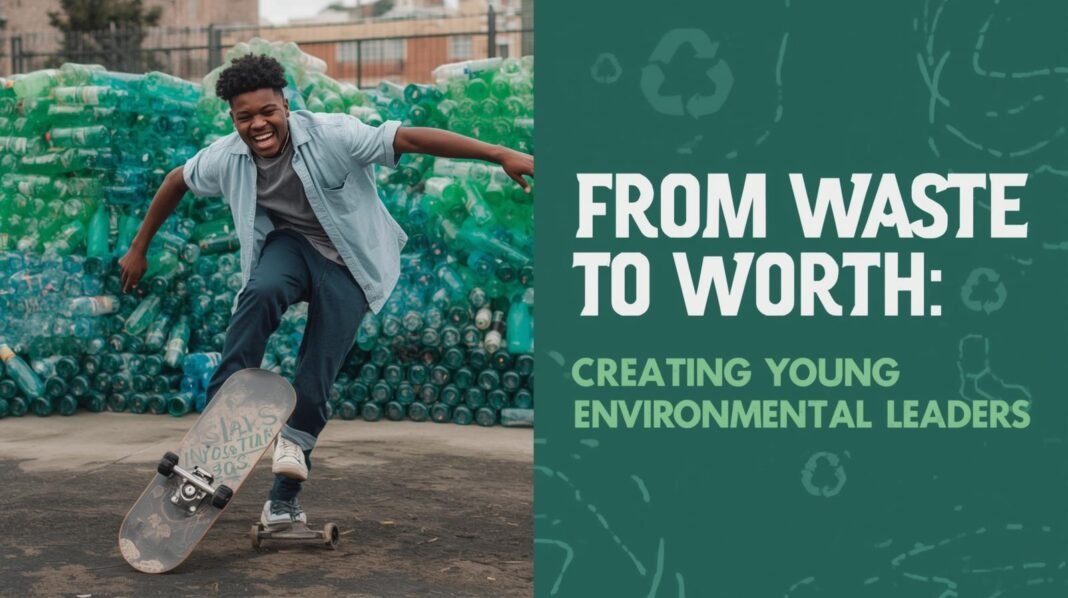
Meet Matthew Gallant, a Grade 7 student who’s become something of a local recycling entrepreneur. He uses his skateboard to collect bottles throughout his community. His motivation? “It’s fun, and I like that I’m helping make our area cleaner.”
That sentence reveals everything. Environmental action isn’t a burden to Matthew—it’s enjoyable, purposeful, and community-oriented. That’s the kind of attitude that creates lifelong environmental stewards.
The Infrastructure of Change
Success in environmental education requires more than good intentions. PET-CO understood this, which is why the program comes equipped with:
Color-coded bins that make sorting intuitive rather than confusing Educational resources and posters that reinforce concepts daily Partnership with Regenize collection services to ensure materials are actually processed CAPS-aligned curriculum developed with Pick n Pay Schools Club for life skills and natural science classes
This is infrastructure that works. Students aren’t just learning about recycling in theory—they’re doing it, seeing the results, and understanding the full cycle.
Beyond the School Gates
Perhaps the most powerful indicator of the program’s success is how it’s spreading beyond the classroom. Students are composting organic waste at home. They’re teaching family members about proper sorting. They’re looking at their communities through new eyes.
There’s also something deeper happening: a shift in social perception. Students are developing respect for waste pickers—people who’ve long done essential environmental work but often remain invisible or looked down upon in society. When students understand that “trash” has value, they begin to understand that the people who collect it provide real service.
The Leadership Skills Nobody Expected
While environmental education is the obvious goal, the leadership development happening here is equally significant. These young people are learning:
- Responsibility: Following through on collection schedules and proper sorting
- Peer education: Teaching classmates and younger students correct procedures
- Community organizing: Coordinating neighborhood clean-ups
- Systems thinking: Understanding how individual actions connect to larger outcomes
- Social awareness: Recognizing the dignity in work others might dismiss
These are transferable skills that will serve students regardless of what careers they ultimately pursue.
What Makes This Model Work
The PET-CO Schools Recycling competition succeeds because it addresses multiple motivations simultaneously:
Competition: Schools want to win prizes for facility improvements Purpose: Students feel they’re contributing to something meaningful Education: The curriculum integration ensures sustained learning Community: The program strengthens bonds between students, teachers, and neighborhoods Economics: Understanding that recyclables have monetary value adds practical context
This isn’t just feel-good environmentalism. It’s practical, competitive, educational, and economically grounded—a combination that creates lasting change.
The Bigger Picture
We’re two months into this initiative, and schools across Mitchell’s Plain are already showing transformed attitudes toward waste. Imagine what’s possible after a full school year. After multiple years. After these students become adults.
A PET-CO spokesperson captured the significance: “These learners are showing South Africa what’s possible when recycling becomes part of everyday life.”
The implications extend far beyond South Africa. This model demonstrates that environmental leadership doesn’t require expensive technology or complicated systems. It requires:
- Clear, achievable goals
- Proper infrastructure and support
- Integration into daily life and education
- Recognition and celebration of success
- A shift from “waste management” to “resource recovery”
Creating Your Own Environmental Leaders
Whether you’re a teacher, parent, school administrator, or community organizer, there are lessons here:
Start with value, not guilt. Students responded when they learned waste has worth, not when they were lectured about planetary doom.
Make it visible. Color-coded bins and public recognition of recycling ambassadors keep the initiative present and celebrated.
Integrate, don’t isolate. When recycling becomes part of regular curriculum rather than a special project, it becomes habit.
Enable action beyond the classroom. Matthew’s skateboard bottle collection shows what happens when students have tools and permission to extend learning into their communities.
Build respect, not just knowledge. Understanding that waste pickers perform valuable work changes how students see both resources and people.
The Final Collection Results
The competition is ongoing, and final results aren’t yet announced. But in many ways, the real results are already visible: students who see value where they once saw waste, young people developing leadership skills through environmental action, and communities becoming cleaner through collective effort.
From waste to worth isn’t just about recycling materials. It’s about recognizing the worth of young people’s capacity to lead, to care, and to create change in their communities.
That’s a transformation worth celebrating—and replicating.
What environmental leadership programs exist in your community? How are young people being empowered to create change? Share your stories in the comments below.
Also Read
Is the US Stock Market Opened Today?
Inside Takealot’s Strategy to Fend Off Amazon, Shein and Temu

- Built For The Rough Stuff: Inside Titan’s new ForestEDGE™ Tyre Line - September 4, 2026
- South Africa Has R395 Billion in Infrastructure Projects — But Can the Industry Deliver Them? - August 26, 2026
- How Municipal Water Treatment Works: Inside NYEWASCO’s Journey from Raw Water to the Tap - August 17, 2026
