
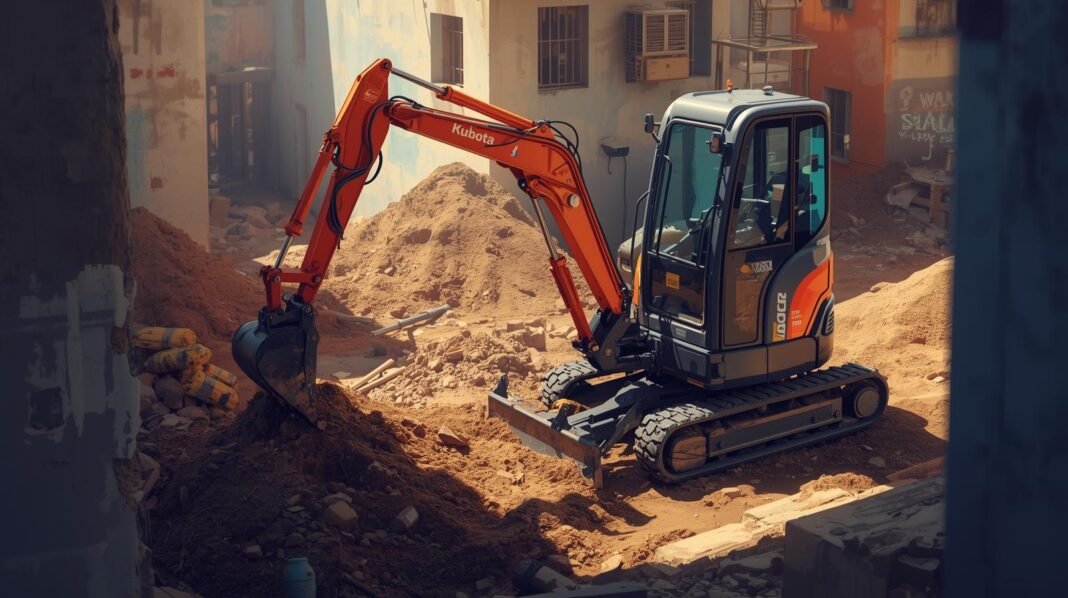
The compact excavator market is experiencing a remarkable transformation as we move through 2026.
These versatile machines, once seen as simple alternatives to their full-sized counterparts, have evolved into sophisticated pieces of equipment that are reshaping how construction projects are executed.
Whether you’re a contractor looking to expand your fleet or a construction company planning your equipment investments, understanding the latest trends in compact excavators is crucial for staying competitive.
Electrification Takes Center Stage
The shift toward electric compact excavators is no longer a distant possibility but a present reality.
Battery-powered mini excavators are becoming increasingly viable for everyday construction tasks, driven by stricter emissions regulations and growing environmental consciousness across the industry.
Modern electric compact excavators now offer operating times that rival their diesel counterparts, with some models providing six to eight hours of runtime on a single charge.
This makes them particularly attractive for urban construction sites where noise restrictions and emission regulations are becoming more stringent.
The reduced noise levels, often 50 percent lower than diesel models, allow operators to work in residential areas during extended hours without disturbing neighbors.
Beyond environmental benefits, electric models are proving their worth through lower operating costs.
With fewer moving parts and no need for oil changes, hydraulic fluid replacements, or diesel exhaust fluid, maintenance requirements drop significantly. Early adopters report up to 70 percent reduction in fuel and maintenance costs over the machine’s lifetime.
Smart Technology Integration
Compact excavators in 2026 are getting smarter, with advanced telematics and machine control systems becoming standard rather than optional features.
These intelligent systems are transforming how contractors manage their fleets and execute projects.
Real-time GPS tracking and performance monitoring allow fleet managers to optimize equipment utilization, track fuel consumption, and schedule preventive maintenance before breakdowns occur. Some manufacturers now offer predictive maintenance alerts that use machine learning to identify potential issues before they become costly problems.
Grade control technology, once reserved for large excavators, is now finding its way into compact models.
These systems help operators achieve precise depths and slopes without constant manual measurements, reducing rework and improving accuracy. For contractors working on drainage projects, utility installations, or landscaping work, this technology can significantly boost productivity while reducing the skill barrier for newer operators.
Hybrid Power Systems Gain Traction
While fully electric models capture headlines, hybrid compact excavators are emerging as a practical middle ground for many contractors.
These machines combine diesel engines with electric motors and battery systems, offering the best of both worlds.
Hybrid systems allow the excavator to operate in electric-only mode for tasks requiring less power, such as grading or light digging, while the diesel engine kicks in for heavier work.
This flexibility makes hybrids particularly appealing for contractors who work across diverse job sites, from noise-sensitive urban areas to remote locations where charging infrastructure might be limited.
The fuel savings from hybrid systems are substantial. Manufacturers report fuel consumption reductions of 20 to 30 percent compared to traditional diesel models, which translates directly to lower operating costs and reduced carbon footprints.
Enhanced Operator Comfort and Safety
The cab experience in compact excavators has undergone dramatic improvements, reflecting the industry’s focus on attracting and retaining skilled operators.
Modern compact excavators now feature climate-controlled cabs with ergonomic designs that reduce operator fatigue during long shifts.
Visibility enhancements are a major focus area for 2026 models. Advanced camera systems provide 360-degree views around the machine, eliminating blind spots and significantly improving job site safety.
Some manufacturers are incorporating augmented reality displays that overlay critical information directly onto the operator’s view, showing dig depths, utility locations, and proximity warnings in real-time.
Joystick controls have become more intuitive, with customizable settings that allow operators to adjust sensitivity and response to match their preferences. This personalization helps operators work more efficiently while reducing physical strain.
Attachments Are Getting More Versatile
The trend toward multi-functionality continues to accelerate, with manufacturers developing increasingly sophisticated quick-attach systems and specialized attachments.
Modern compact excavators can transform from diggers to augers, breakers, compactors, or grapples in minutes, maximizing the value contractors get from a single machine.
Intelligent attachment recognition systems now automatically adjust hydraulic flow and pressure based on the tool being used, optimizing performance without requiring manual adjustments. This technology makes it easier for operators to switch between tasks while maintaining peak efficiency.
The growing attachment ecosystem means contractors can tackle more diverse projects without needing multiple specialized machines.
From forestry mulchers to tilt rotators that provide wrist-like movement, the range of available attachments is expanding the capabilities of compact excavators into new territory.
Sustainability Beyond Electrification
Environmental responsibility extends beyond just power sources. Manufacturers are increasingly incorporating recycled materials into machine construction and designing excavators for easier end-of-life recycling.
Biodegradable hydraulic fluids are becoming more common, reducing environmental impact in case of leaks.
Some companies are offering carbon-neutral manufacturing programs and providing detailed environmental impact data for each machine, allowing contractors to make informed decisions based on their sustainability goals.
This transparency is becoming a competitive differentiator as more project owners require detailed environmental reporting.
Autonomous and Semi-Autonomous Features
While fully autonomous compact excavators remain primarily in the testing phase, semi-autonomous features are making their way into production models.
These include automatic bucket filling optimization, which adjusts digging patterns for maximum efficiency, and auto-idle systems that reduce fuel consumption during inactive periods.
Remote operation capabilities are expanding, allowing operators to control compact excavators from outside the cab or even off-site. This technology proves valuable in hazardous environments or for precision work where different viewing angles improve accuracy.
What This Means for Contractors
The evolution of compact excavators presents both opportunities and challenges for construction professionals.
The initial investment for advanced models may be higher, but the long-term savings through reduced fuel costs, lower maintenance requirements, and improved productivity often justify the expense within a few years.
Contractors should carefully evaluate their specific needs when considering new equipment. Urban contractors working primarily in emission-controlled zones might benefit most from electric models, while those operating across diverse environments might find hybrids more practical.
The key is matching machine capabilities to your actual working conditions and project requirements.
As these trends continue to reshape the compact excavator landscape, staying informed and adapting to new technologies will be essential for maintaining competitive advantage.
The machines of 2026 offer unprecedented capabilities, and contractors who embrace these innovations will find themselves better positioned to win projects, attract skilled operators, and build more sustainably.
The compact excavator market is entering an exciting new era where efficiency, intelligence, and environmental responsibility converge to create machines that are not just smaller alternatives to full-sized equipment but purpose-built solutions for modern construction challenges.
Frequently Asked Questions(FAQ)
1. What is the best compact excavator in 2026?
The best compact excavator in 2026 depends on your project needs and budget. Leading brands like Kubota, Bobcat, and Caterpillar are highly recommended for their reliability, fuel efficiency, and versatility. For small-scale construction or landscaping in Africa, models under 6 tons are ideal for maneuvering in tight spaces.
2. Which compact excavator is most commonly used in construction?
The most commonly used compact excavators are standard hydraulic mini and small excavators. These machines are popular for digging, lifting, and site preparation across urban and rural projects, making them a favorite among contractors in Africa and worldwide.
3. Are compact excavators in high demand in Africa?
Yes. Demand for compact excavators is growing due to urban development, infrastructure projects, and agriculture-related construction. Mini excavators, in particular, are highly sought after for projects requiring mobility and efficiency in confined areas.
4. What are the two main classes of compact excavators?
Compact excavators are classified into:
-
Mini Excavators: Weighing under 6 tons, perfect for tight spaces, landscaping, and light construction tasks.
-
Small Compact Excavators: Weighing between 6 and 10 tons, offering more power for medium-scale projects while still maintaining flexibility and ease of transport.
Also Read
Top 5 Low-Budget Concrete Pumping Solutions for African Builders
Cost of Setting Up a Small Concrete Plant in Africa: A Complete Investment Guide

- South Africa’s April 1 Triple Shock: When the Joke Is on the Consumer - March 26, 2026
- KeNHA’s World Bank Funding Boost: Inside Kenya’s KSh Multi-Billion Expressway Masterplan - March 25, 2026
- SASSA locks in full-year social grant payment schedule — and announces biggest increases in years - March 24, 2026
