
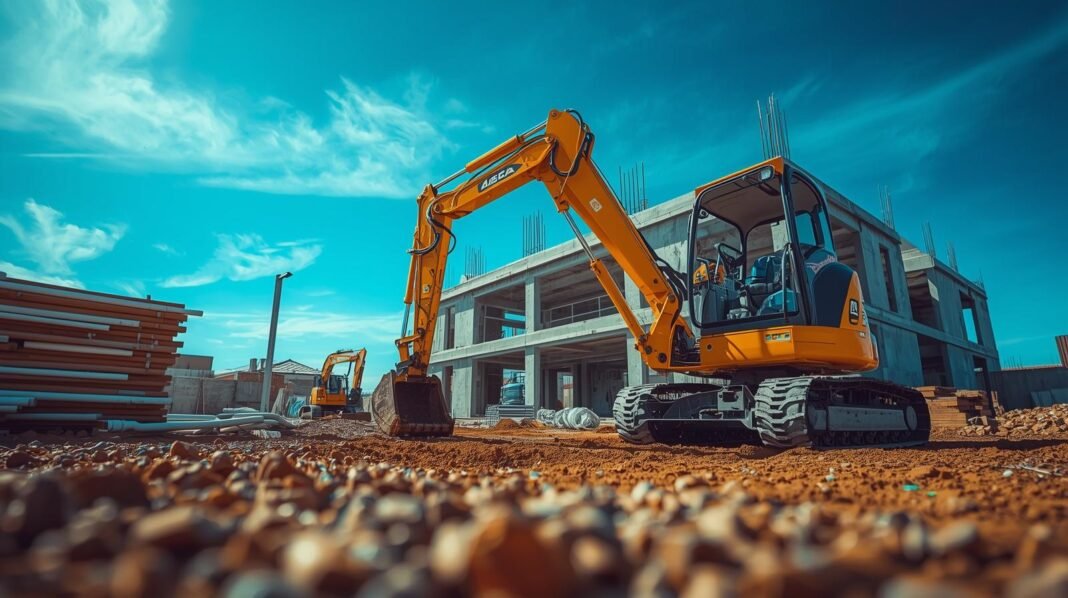
Mini excavators pack a powerful punch in a compact frame, making them essential tools for a wide range of projects.
Whether you’re a contractor tackling urban construction or a homeowner starting an ambitious landscaping project, selecting the right machine is critical for success.
The wrong choice can lead to project delays, budget overruns, and inefficiency. This guide will walk you through the key factors to consider, helping you choose the perfect mini excavator for your needs.
We will explore everything from machine size and project type to essential attachments and budget considerations.
By the end, you’ll have the confidence to make an informed decision that ensures your project runs smoothly and efficiently.
Start with Your Project’s Demands
Before you even look at a single machine, you need to analyze the job at hand. The type of work you’ll be doing is the single most important factor in determining which mini excavator is right for you. Different projects require different capabilities.
Landscaping and Gardening
For tasks like digging small ponds, creating garden beds, or trenching for irrigation systems, a smaller, more agile mini excavator is ideal.
These machines can navigate tight spaces without causing significant damage to surrounding turf. Their lower weight reduces ground pressure, protecting delicate lawns and established landscapes.
Construction and Demolition
Construction jobs, such as digging foundations, utility trenching, or small-scale demolition, demand more power and reach.
A mid-size to larger mini excavator will offer the necessary digging depth and breakout force to handle tougher materials like compacted soil and broken concrete. Consider models that can handle heavier attachments for breaking and grappling.
Utility and Municipal Work
Working in urban or suburban environments often means tight quarters. Utility projects like repairing water lines or installing fiber optic cables require a machine with a minimal tail swing or even a zero-tail-swing design.
This feature allows the operator to rotate the excavator’s house with little to no part of it extending beyond the tracks, preventing accidental contact with walls, fences, or other obstacles.
Size and Weight: Finding the Right Fit
Mini excavators are categorized by their operating weight, which directly relates to their power and size. Understanding these categories is key to matching the machine to your job site.
Micro Excavators (Under 1 Ton)
These are the smallest and most compact models available. They are light enough to be transported on a small trailer and can often fit through standard doorways or gates. Micro excavators are perfect for indoor demolition, tight-access landscaping, and small-scale digging where a shovel is just not enough.
Mid-Range Mini Excavators (1 to 5 Tons)
This is the most popular category, offering a great balance of power, size, and versatility. Machines in this weight class are powerful enough for significant digging and lifting tasks but still compact enough to work in residential areas and smaller construction sites. They can handle a wide variety of attachments, making them a true multi-purpose tool.
Large Mini Excavators (5 to 10 Tons)
At the upper end of the “mini” spectrum, these excavators bridge the gap between compact and full-size machines.
They provide substantial digging depth, reach, and lifting capacity, making them suitable for more demanding jobs like foundation work, extensive trenching, and commercial construction projects where a larger excavator is not practical.
Unlocking Versatility with Attachments
A mini excavator is only as useful as the attachments you pair it with. The right tools can transform your machine from a simple digger into a multi-functional powerhouse.
Essential Attachments to Consider:
- Buckets: The standard attachment. They come in various sizes for trenching, grading, and digging. A quick-coupler system allows you to swap buckets easily.
- Augers: Ideal for drilling holes for fence posts, deck footings, or planting trees. Different drill bit sizes are available for various hole diameters.
- Hammers/Breakers: For demolition tasks, these hydraulic attachments break up concrete, asphalt, and rock with incredible force.
- Grapples/Thumbs: These act like a thumb, allowing the excavator to pick up and move awkward objects like logs, debris, and rocks with precision.
- Rakes: Perfect for land clearing, rakes help separate soil from roots, rocks, and other debris, leaving a clean site behind.
When choosing an excavator, verify its hydraulic flow rate. This determines its ability to power demanding attachments like hammers and augers effectively.
Budget: Renting vs. Buying
Your budget will play a significant role in your decision. You need to weigh the upfront cost against the long-term value.
Renting a Mini Excavator
Renting is an excellent option for one-off projects or if you only need the machine occasionally. It eliminates the costs associated with ownership, such as maintenance, insurance, storage, and transportation. Renting also gives you the flexibility to choose the perfect size and model for each specific job.
Buying a Mini Excavator
If you plan to use an excavator frequently, buying can be a smart investment. Ownership provides immediate availability and can be more cost-effective over time compared to repeated rentals. When buying, consider the total cost of ownership, which includes:
- Purchase Price: New machines offer the latest technology and a full warranty, while used machines can provide significant savings.
- Maintenance: Regular servicing, fluid changes, and track inspections are necessary to keep the machine running.
- Financing and Insurance: These are significant ongoing expenses to factor into your budget.
- Resale Value: Reputable brands tend to hold their value better, which can lower your overall cost of ownership when you decide to sell.
Brand Reputation and Support
Finally, don’t overlook the importance of brand reputation and dealer support. A reliable machine from a well-regarded manufacturer is less likely to break down. When issues do arise, having access to a responsive dealer for parts and service is invaluable.
Look for brands known for their durability, performance, and operator comfort. Read reviews, talk to other operators, and research the availability of local service centers. A strong support network can save you from costly downtime and keep your projects on track.
Making Your Final Decision
Choosing the right mini excavator is a process of matching the machine’s capabilities to your project’s specific needs.
By carefully considering the type of work, site conditions, necessary attachments, and your budget, you can select a tool that will boost your productivity and deliver excellent results.
Don’t rush the decision. Take the time to research your options, and don’t hesitate to speak with equipment experts or dealership professionals.
They can provide valuable insights and help you find the perfect mini excavator to get the job done right. Explore different models, compare specifications, and you’ll be well on your way to making a smart investment.
Also Read
Essential maintenance tips for mini excavators
Top Backhoe Loaders for Sale in 2025: Features, Prices, and Dealer Insights

- Thousands of Oracle Employees Say They Were Fired by Email - March 31, 2026
- U.S. Senators Push for Tariff Probe into Construction Equipment Imports from Mexico - March 30, 2026
- Top Smart Safety Shoes to Watch in 2026 - March 29, 2026
