
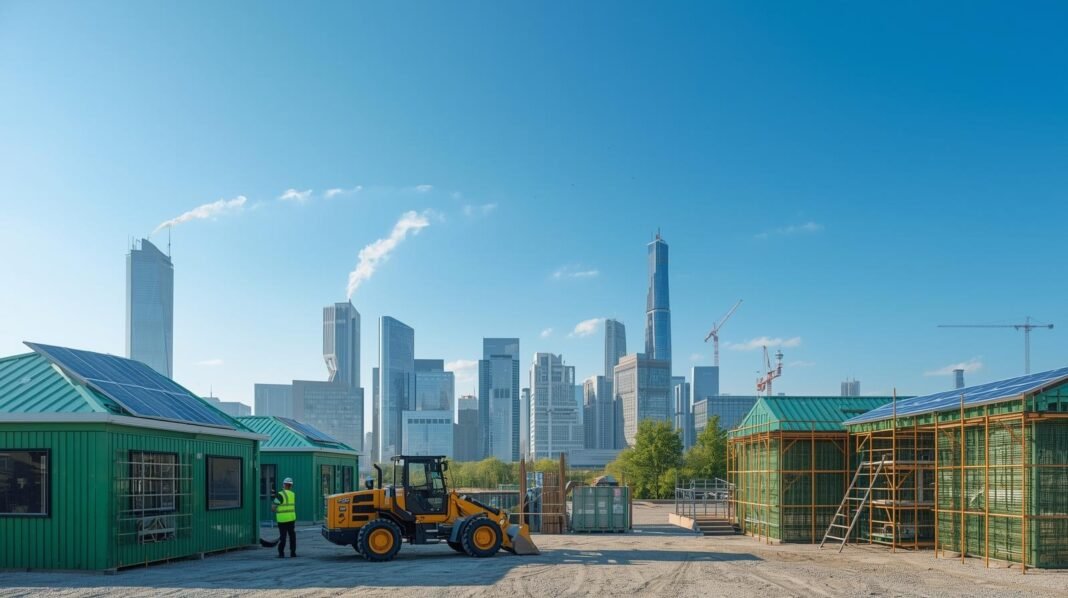
The construction industry is the backbone of modern society, but it also carries a significant environmental footprint.
As regulations tighten and public demand for sustainability grows, construction companies face a complex web of environmental compliance challenges.
Navigating these issues is no longer optional; it’s essential for project success, brand reputation, and long-term viability. For 2025, the pressure is mounting, requiring a proactive approach to compliance.
This post will detail the most significant environmental compliance challenges the construction industry must prepare for in the coming year.
We will explore regulatory pressures, waste management hurdles, emissions control, water conservation, and the shift towards sustainable materials. By understanding these issues, your firm can develop effective strategies to stay compliant and competitive.
Intensifying Regulatory Pressures
The regulatory landscape for construction is in constant flux, with a clear trend towards stricter environmental oversight. For construction compliance in 2025, companies must anticipate and adapt to new local, national, and global standards.
Regulations around carbon reporting, biodiversity net gain, and circular economy principles are becoming more widespread and stringent.
Failing to keep pace can result in severe consequences, including hefty fines, project delays, and lasting damage to your company’s reputation. Proactive monitoring of legislative changes and investing in compliance expertise are crucial.
This involves not just understanding current laws but also anticipating future requirements to ensure your projects are future-proof.
Construction and Demolition Waste Management
The construction industry is one of the largest producers of waste globally. Managing construction and demolition (C&D) debris effectively is a primary environmental challenge.
Landfills are reaching capacity, and regulations are increasingly focused on waste reduction, segregation, and recycling.
In 2025, companies will face greater pressure to implement circular economy models. This means designing for deconstruction, sorting materials on-site for reuse or recycling, and minimizing waste generation from the outset.
The challenge lies in the logistics of on-site sorting, finding markets for recycled materials, and training crews in new waste management protocols. Adopting digital tools to track waste streams and document recycling efforts will become essential for proving compliance.
Controlling Emissions on the Job Site
Construction sites are major sources of both greenhouse gas (GHG) emissions and localized air pollutants.
The heavy machinery, transport vehicles, and on-site generators predominantly run on diesel, releasing carbon dioxide, nitrogen oxides, and particulate matter.
As cities and nations strive to meet air quality and climate targets, expect tighter controls on these emissions.
The primary challenges include the high cost of transitioning to electric or alternative-fuel equipment and the logistical difficulties of setting up charging infrastructure on temporary job sites. Companies will need to develop comprehensive emissions reduction plans.
These plans may involve fleet modernization, optimizing logistics to reduce vehicle idling time, and using renewable diesel or other low-carbon fuels.
Accurate emissions tracking and reporting will also become a standard compliance requirement.
Managing Water Usage and Runoff
Water is a critical resource in construction, used for everything from dust control and concrete mixing to cleaning equipment.
However, growing water scarcity and concerns about pollution are leading to stricter regulations on water consumption and site runoff. Stormwater runoff from construction sites can carry sediments, chemicals, and debris into local waterways, causing significant environmental harm.
The key challenges are implementing effective water conservation techniques and managing stormwater pollution.
This requires developing and adhering to a comprehensive Stormwater Pollution Prevention Plan (SWPPP).
Best practices include using reclaimed or recycled water where possible, installing sediment and erosion controls like silt fences and retention ponds, and training staff on spill prevention and response.
These measures are vital for protecting local ecosystems and avoiding costly violations of clean water regulations.
The Shift to Sustainable Materials
The push for green building is transforming material selection in the construction industry. There is a growing demand for materials with a lower environmental impact, such as those with high recycled content, local sourcing, and low embodied carbon.
This shift presents both opportunities and challenges for construction firms.
One major hurdle is navigating complex supply chains to source and verify truly sustainable materials. Another is understanding the performance characteristics and installation requirements of new products.
Companies must invest in training their procurement teams and field crews on the latest sustainable construction practices.
Embracing tools like Environmental Product Declarations (EPDs) will be key to making informed decisions and substantiating green building claims, which is crucial for certifications like LEED and BREEAM.
Conclusion: Building a Compliant Future
The environmental compliance challenges facing the construction industry in 2025 are significant, but they are not insurmountable.
By taking a proactive and strategic approach, companies can turn these challenges into a competitive advantage. The path forward involves embracing innovation, investing in training, and embedding sustainability into your corporate culture.
Start by conducting a thorough review of your current compliance practices against upcoming regulations.
Develop targeted strategies for waste, emissions, and water management, and begin exploring sustainable material alternatives. By acting now, you can ensure your projects are not only compliant but also contribute to a more sustainable built environment.
Also Read
Kenya Implements Landmark National Building Code 2024 to Modernize Construction Standards

- Thousands of Oracle Employees Say They Were Fired by Email - March 31, 2026
- U.S. Senators Push for Tariff Probe into Construction Equipment Imports from Mexico - March 30, 2026
- Top Smart Safety Shoes to Watch in 2026 - March 29, 2026
