
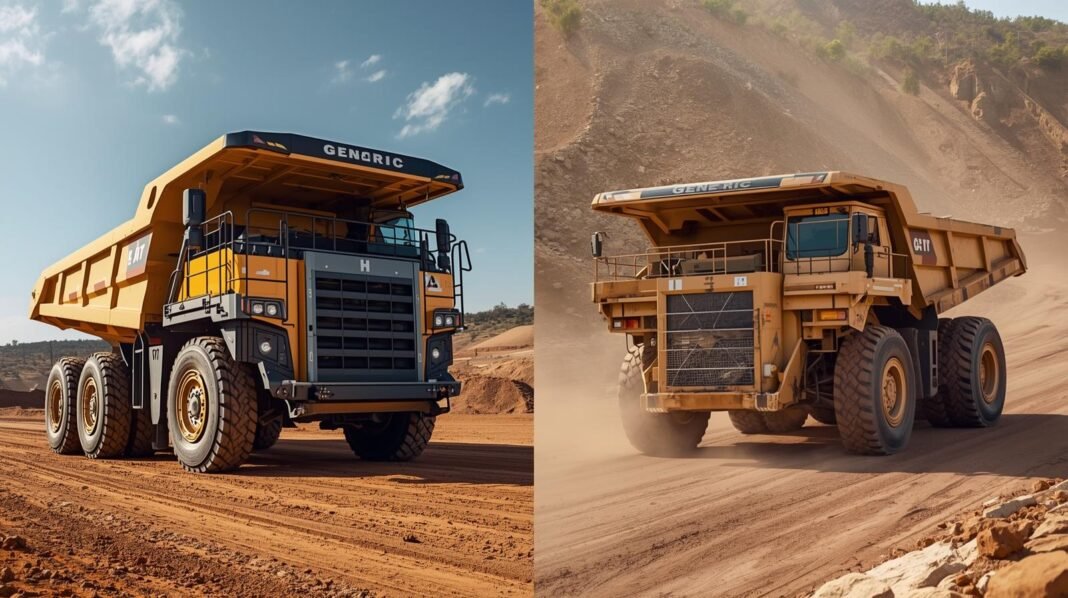
The African logistics landscape is experiencing unprecedented growth.
With the African Continental Free Trade Area gaining momentum and infrastructure projects transforming regional connectivity, fleet operators face a critical decision: Should they invest in new heavy-duty trucks or leverage the used truck market?
The answer is more nuanced than many industry leaders realize, and getting it right could mean the difference between sustainable growth and costly operational setbacks.
The African Context: Why One Size Doesn’t Fit All
Africa’s transport sector operates under unique conditions that fundamentally alter the new-versus-used calculation.
Road infrastructure varies dramatically—from Kenya’s modern Standard Gauge Railway corridors to rural routes that test even the most robust vehicles.
Maintenance ecosystems differ wildly between major commercial hubs and remote regions. Parts availability, technical expertise, and financing structures all play pivotal roles in determining which investment strategy delivers optimal returns.
For fleet operators, this isn’t simply a purchasing decision. It’s a strategic choice that impacts cash flow, operational reliability, competitive positioning, and long-term profitability.
The wrong choice doesn’t just affect the bottom line—it can compromise service delivery, damage client relationships, and ultimately determine market viability.
The Case for New Heavy-Duty Trucks
New trucks offer compelling advantages that resonate particularly well with certain operational profiles.
Warranty coverage provides peace of mind during the critical early years, with manufacturers typically offering comprehensive protection against mechanical failures.
For companies servicing time-sensitive contracts or operating in sectors where vehicle downtime translates directly to revenue loss, this reliability premium justifies the higher initial investment.
Fuel efficiency represents another significant advantage. Modern Euro 4 and Euro 5 compliant engines deliver substantially better fuel economy than older counterparts, and in an industry where fuel constitutes up to 40% of operating costs, these savings accumulate rapidly.
You may also like
Advanced telemetry systems, driver assistance technologies, and integrated fleet management platforms come standard on new vehicles, enabling data-driven optimization that older trucks simply cannot match.
Financing accessibility also favors new purchases. Banks and specialized transport finance institutions offer more favorable terms for new vehicles, often with longer repayment periods and lower interest rates.
This enhanced credit availability helps preserve working capital for growth initiatives while spreading acquisition costs over the vehicle’s productive life.
Perhaps most importantly, new trucks carry zero legacy issues. There’s no hidden damage, no undocumented repairs, and no question marks about how previous operators maintained the vehicle.
For companies building premium brand reputations or competing on service reliability, this clean slate carries significant value.
The Compelling Economics of Used Trucks
The used truck market tells a different but equally persuasive story. Capital efficiency stands at the forefront of the used truck value proposition.
Quality pre-owned vehicles can be acquired at 40-60% of new truck pricing, enabling fleet expansion that would be financially impossible with new equipment alone.
For emerging operators or businesses in capital-intensive growth phases, this difference can determine whether expansion happens now or years in the future.
Depreciation dynamics work powerfully in favor of used truck buyers. New trucks experience their steepest value decline in the first three years, meaning savvy buyers can acquire nearly-new equipment that has absorbed the bulk of depreciation while retaining most of its productive life.
A three-year-old truck with proper maintenance records can deliver 70-80% of a new truck’s remaining useful life at half the cost.
Market availability deserves consideration as well. Lead times for new heavy-duty trucks can extend six months or more, particularly for specialized configurations.
The used market offers immediate availability, allowing operators to respond quickly to contract awards or market opportunities.
In Africa’s dynamic business environment, where agility often determines competitive success, this speed-to-market advantage carries real strategic value.
The pragmatic argument for used trucks becomes even stronger when considering Africa’s operating realities.
On challenging road surfaces and in environments where even new equipment faces accelerated wear, the cost-benefit calculation shifts.
Deploying slightly older equipment that can handle rough conditions while preserving capital for maintenance and operational reserves often proves more prudent than overleveraging for new trucks that will face the same harsh conditions.
Critical Success Factors: Making Either Option Work
Regardless of which path operators choose, certain fundamentals determine success. Maintenance infrastructure represents the most critical factor.
New trucks require dealer-level diagnostic equipment and manufacturer-certified technicians—capabilities concentrated in major urban centers.
Used trucks often run on more mature, widely-understood technology, with parts and expertise more readily available across broader geographic areas.
Parts supply chains deserve careful evaluation. New trucks may require genuine manufacturer parts, with associated costs and sometimes extended lead times for Africa-specific supply.
Used trucks, particularly those from international markets, might face parts compatibility challenges, but established models often benefit from robust aftermarket support and localized parts manufacturing.
Operator training and technological readiness matter significantly. New trucks with advanced driver assistance systems, automated transmissions, and integrated telematics require operators comfortable with technology.
Used trucks may offer more straightforward operation but lack the efficiency-enabling features that help competitive operators optimize performance.
Strategic Recommendations for African Fleet Operators
The optimal strategy rarely involves choosing exclusively new or used equipment. Leading operators are increasingly adopting hybrid approaches that leverage the strengths of each.
New trucks anchor premium service offerings and high-value contracts where reliability justifies premium pricing.
Used trucks fill capacity gaps, handle secondary routes, and provide operational flexibility without excessive capital commitment.
Regional considerations should drive decision-making. Operations centered in well-serviced commercial corridors—Lagos-Abidjan, Nairobi-Mombasa, Johannesburg-Durban—can more confidently deploy new equipment knowing maintenance support exists.
Remote or frontier market operations might favor proven used equipment where field serviceability matters more than cutting-edge technology.
Contract structures offer important guidance. Long-term contracts with established clients justify new truck investments, as revenue visibility supports financing and the reliability premium protects contractual relationships.
Spot market or short-term contract exposure suggests maintaining fleet flexibility through strategic used truck acquisitions.
Financial positioning remains paramount. Companies with strong balance sheets and access to affordable capital can leverage new truck efficiency advantages.
Emerging operators or those managing growth-phase cash flow pressures should prioritize capital preservation through strategic used truck purchases, reinvesting savings into market development and operational excellence.
Looking Forward: Africa’s Evolving Transport Equation
Africa’s transport sector stands at an inflection point. Infrastructure improvements, trade facilitation, and economic integration are creating unprecedented opportunities.
Fleet operators who align their equipment strategies with both immediate operational realities and long-term market evolution will capture these opportunities most effectively.
The new-versus-used decision isn’t binary—it’s strategic. Understanding your operational context, financial position, market positioning, and growth trajectory allows for informed choices that support sustainable competitive advantage.
In Africa’s dynamic transport environment, this strategic clarity increasingly separates market leaders from those struggling to keep pace.
The trucks you choose today determine the contracts you can pursue tomorrow. Making that choice wisely requires looking beyond sticker prices to total cost of ownership, operational reliability, market positioning, and strategic flexibility.
For Africa’s transport sector, that comprehensive view has never been more important.
What equipment strategy is driving your fleet decisions? Share your experiences in the comments below.
Also Read
Best Heavy-Duty Trucks for Africa Construction (2026 Guide)
Top 10 Construction Equipment Manufacturers in the World (2026 Ranking)

- U.S. Senators Push for Tariff Probe into Construction Equipment Imports from Mexico - March 30, 2026
- Top Smart Safety Shoes to Watch in 2026 - March 29, 2026
- SASSA Payment Dates for April 2026: What Every Beneficiary Needs to Know - March 29, 2026
