

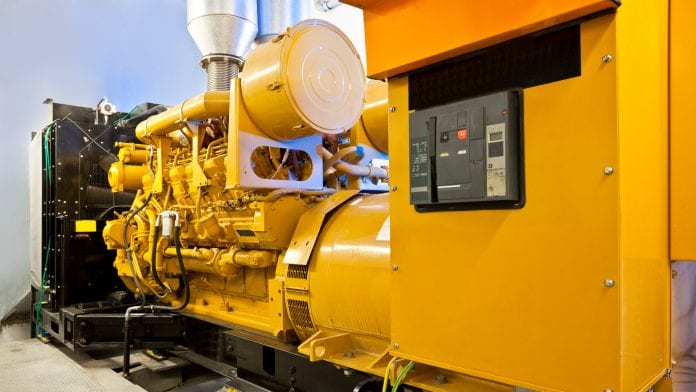
Diesel generators play a critical role in providing dependable power for construction sites, factories, hospitals, commercial buildings and homes.
When maintained correctly, they can deliver years of reliable service. However, neglecting routine maintenance often results in poor performance, unexpected shutdowns and expensive repairs.
This guide explains the most common diesel generator problems, their likely causes and the maintenance practices that help maximize reliability and operating life.
Common Diesel Generator Problems and How to Fix Them
1. Generator Won’t Start
A generator that refuses to start is one of the most common faults experienced by operators.
Possible causes
- Weak or discharged battery
- Empty fuel tank
- Air trapped in the fuel system
- Dirty fuel or air filters
- Faulty starter motor
What to check
Begin by inspecting the battery terminals for corrosion and ensuring all electrical connections are tight. Measure the battery voltage and recharge or replace the battery if necessary.
Next, verify that the fuel tank contains clean diesel and check the fuel lines for leaks or trapped air. If the engine still struggles to start, inspect the starter motor and replace clogged fuel or air filters.
2. Generator Produces Less Power Than Expected
A noticeable drop in output usually indicates that the engine is not receiving enough fuel or air, or that the generator is overloaded.
Possible causes
- Blocked air filter
- Restricted fuel supply
- Dirty injectors
- Excessive electrical load
Recommended solution
Inspect the air intake system and replace dirty filters. Examine the fuel lines for leaks or restrictions and ensure injectors are operating correctly.
Finally, compare the connected load with the generator’s rated capacity. Running beyond its design limits will reduce efficiency and shorten engine life.
3. Excessive Exhaust Smoke
The colour of the exhaust smoke often provides clues about engine condition.
Common causes
- Poor-quality diesel fuel
- Dirty fuel injectors
- Restricted airflow
- Incorrect fuel-air mixture
How to troubleshoot
Use clean, high-quality diesel from a reliable supplier. Replace blocked air filters and inspect injectors for wear or contamination. Proper combustion depends on the correct balance of fuel and air, making routine servicing essential.
4. Engine Overheating
High operating temperatures can lead to severe engine damage if ignored.
Possible causes
- Low coolant level
- Dirty radiator
- Cooling system blockage
- Generator overload
Corrective action
Check coolant levels before operation and top up using the manufacturer-recommended coolant. Clean radiator fins to improve airflow and remove dust or debris that may restrict cooling.
If overheating continues, reduce the electrical load and investigate the cooling system for leaks or component failure.
Preventive Maintenance Tips for Diesel Generators
Routine maintenance is far more cost-effective than emergency repairs. A structured maintenance schedule helps improve fuel efficiency, reduce downtime and extend engine life.
Change Engine Oil on Schedule
Engine oil lubricates moving parts and reduces friction. As oil ages, it loses its protective properties and allows increased wear.
Most manufacturers recommend changing the oil and oil filter after a specified number of operating hours. Always use the correct oil grade recommended for your generator model.
Monitor the Cooling System
The cooling system keeps engine temperatures within safe operating limits. Regularly inspect coolant levels, hoses and the radiator for leaks or damage.
Periodically flushing the cooling system helps remove scale and sediment that can reduce cooling efficiency.
Replace Air and Fuel Filters
Clean filters are essential for efficient engine performance. A blocked air filter restricts airflow, while a dirty fuel filter limits fuel delivery.
Inspect filters during scheduled servicing and replace them whenever they become contaminated, especially in dusty operating environments.
Inspect Belts and Hoses
Drive belts and rubber hoses naturally deteriorate over time. Look for cracks, fraying, swelling or leaks.
Replacing worn components before failure helps avoid costly breakdowns and unexpected downtime.
Exercise Standby Generators
Generators that remain idle for long periods may develop battery problems or fuel system issues.
Run the generator under load for approximately 30 minutes each month. This keeps lubricating oil circulating, reduces moisture buildup and confirms the unit is ready for emergency use.
Maintain the Battery
The starting battery should be inspected regularly for corrosion, loose terminals and low voltage.
Keep battery terminals clean, ensure connections remain secure and replace ageing batteries before they fail.
Perform Periodic Load Testing
A load test confirms that the generator can safely produce its rated output under operating conditions.
Annual load bank testing is particularly valuable for emergency standby generators that rarely operate under full load.
Keep the Generator Clean
Dust, oil residue and debris can reduce cooling efficiency and make leaks difficult to identify.
Clean the generator exterior regularly and ensure ventilation openings remain unobstructed. If the generator is installed outdoors, keep the enclosure free from leaves, dirt and standing water.
Warning Signs That Should Never Be Ignored
Watch for these indicators during operation:
- Difficulty starting
- Unusual knocking or vibration
- Rising coolant temperature
- Increased fuel consumption
- Frequent shutdowns
- Black, white or blue exhaust smoke
- Oil or coolant leaks
- Warning alarms on the control panel
Addressing these issues early can prevent major mechanical failures.
It is important to noe that a diesel generator represents a significant investment, and consistent maintenance is the best way to protect it.
Regular inspections, timely servicing and prompt attention to minor faults help improve reliability, reduce repair costs and extend equipment life.
Whether the generator is used for emergency backup or continuous operation, following the manufacturer’s maintenance schedule and carrying out routine checks will ensure dependable performance whenever power is needed.
Also Read
- Top diesel generator brands in Africa: What you need to know
- The ultimate guide to selecting an inverter generator
- The comprehensive guide to Solar Generators

- Accurate and Reliable Measurement and Monitoring of Industrial Plant Water Treatment - October 21, 2026
- SODECA Highlights Industrial Ventilation Technology at Mega Clima Expo Kenya 2026 - October 14, 2026
- How They Were Built: Inside the Engineering of the Lesotho Highlands Water Project - October 11, 2026