
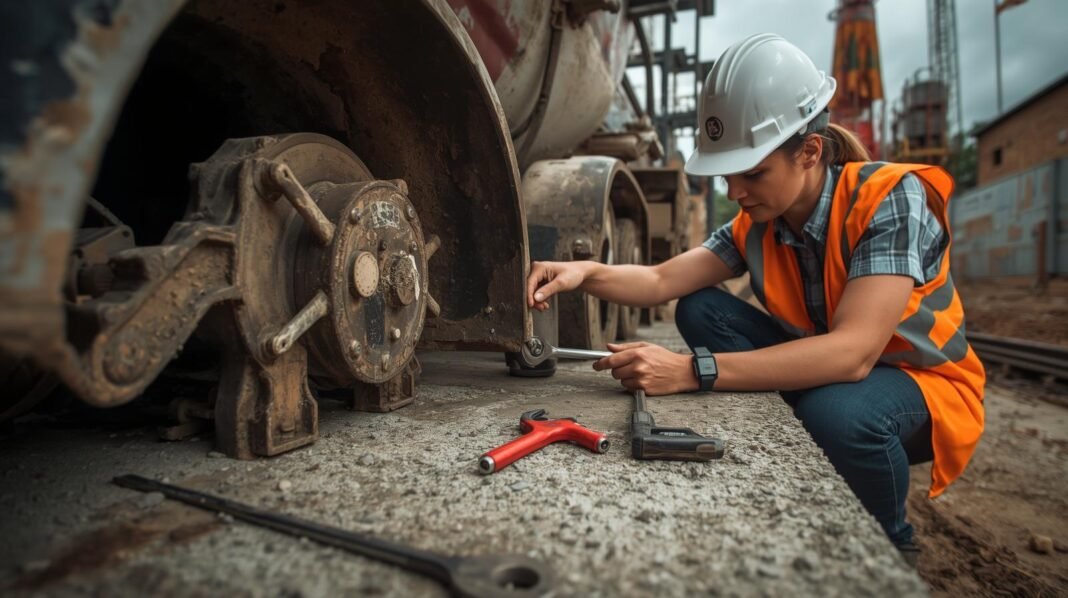
Concrete mixer pumps are essential equipment for modern construction projects, combining the functionality of mixing and pumping concrete in one integrated machine.
While these powerful units significantly improve efficiency and reduce labor costs, understanding their maintenance expenses is crucial for budget planning and maximizing return on investment.
This comprehensive guide breaks down everything you need to know about concrete mixer pump maintenance costs.
Understanding Concrete Mixer Pump Maintenance
Proper maintenance is the cornerstone of extending your equipment’s lifespan and preventing costly breakdowns.
Industry data indicates that well-maintained concrete pumps typically last 15 to 20 years, or between 15,000 and 20,000 pumping hours. However, neglecting regular maintenance can dramatically shorten this lifespan and exponentially increase operational costs.
Why Maintenance Matters
The stark reality is that emergency repairs can cost up to five times more than planned preventive maintenance.
This cost multiplier comes from emergency service premiums, expedited shipping fees, and potential contractual penalties when equipment fails during critical pours. More importantly, unexpected downtime damages customer relationships and future revenue opportunities.
Annual Maintenance Budget: What to Expect
For contractors and construction companies considering concrete mixer pump ownership, annual maintenance costs vary significantly based on equipment type, usage intensity, and operational conditions.
Budget Ranges by Equipment Size
Small to Medium Mixer Pumps (20-40 m³/h capacity):
- Annual maintenance costs: $8,000 – $15,000
- Wear parts replacement: Approximately $0.60 – $0.80 per cubic yard pumped
Large Boom-Type Mixer Pumps (38M and above):
- Annual professional maintenance: Up to $100,000 for intensive commercial operations
- Wear parts and upkeep: Approximately $0.80 per cubic yard pumped
These figures assume regular usage and adherence to manufacturer-recommended maintenance schedules. Contractors should budget an additional 10-15% contingency for unexpected repairs or accelerated wear in demanding conditions.
Critical Wear Parts and Replacement Schedules
Understanding which components require regular replacement helps you anticipate costs and avoid emergency breakdowns.
High-Priority Wear Components
Wear Plates and Cutting Rings These components form the seal between cylinders while maintaining pressure. Due to constant abrasive contact with concrete, they experience significant wear.
- Replacement frequency: Every 300-500 pumping hours
- Cost impact: Moderate to high, depending on pump size
Piston Cups (Mud Cups) Attached to hydraulic rams, piston cups are among the most frequently replaced components.
- Replacement frequency: Every 500-800 hours
- Typical cost: Several hundred dollars for basic service
- Warning: Delaying replacement can damage material cylinders, multiplying repair costs
Hopper Components Mixing blades, shaft seals, and bushings face heavy wear from coarse aggregates and cement paste.
- Replacement frequency: Every 500-1,000 hours
- Variable cost based on concrete mix abrasiveness
Hydraulic Hoses and Seals High pressure, heat exposure, and age degrade these critical components.
- Inspection frequency: Every 6 months
- Replacement frequency: Annually or when signs of cracking, bulging, or leakage appear
Pipeline and Elbow Sections Concrete flow causes gradual wear on delivery pipes, particularly at bends.
- Replacement frequency: Varies widely based on concrete mix and distance pumped
- Cost consideration: Budget for periodic section replacement
The True Cost of Neglect
Maintenance shops report that approximately 90% of their repair business involves mitigating damage caused by worn parts that weren’t replaced on schedule. A simple piston cup replacement costing a few hundred dollars can escalate into a several-thousand-dollar repair requiring material cylinder replacement if ignored.
Daily, Weekly, and Periodic Maintenance Costs
Beyond major component replacements, regular maintenance activities contribute to your overall cost structure.
Daily Maintenance (After Each 8-Hour Shift)
Essential tasks include:
- Lubrication of rear pump components
- Oil and water level verification
- Hydraulic system inspection
- Thorough cleaning to prevent concrete hardening
Cost impact: Primarily labor time (20-30 minutes per day), plus minimal lubricant costs. Skipping these steps risks exponentially higher repair expenses.
Weekly Maintenance
Key activities include:
- Boom filter gauge verification
- Switch and safety system testing
- Alternator, belt, and lug nut inspection
- Comprehensive visual inspection
Cost impact: Approximately 1-2 hours of technician time
Three-Week/100-Hour Service
More intensive maintenance includes:
- Complete boom lubrication
- Gasket and leak inspection
- Hydraulic hose examination for bubbling, cracking, or abrasion
- Detailed component assessment
Cost impact: 3-4 hours of professional service, plus any identified part replacements
Annual Professional Inspection
Comprehensive annual service by certified mechanics ensures long-term reliability.
- Hydraulic system analysis including fluid sampling
- Pumping cylinder and S-valve inspection
- Complete electrical system verification
- Safety system testing
Cost impact: $1,000-$3,000 for smaller units; significantly more for large boom pumps
Hidden Maintenance Costs to Consider
Operator Training
Skilled operators significantly reduce maintenance costs by:
- Identifying early wear indicators
- Operating equipment within optimal parameters
- Preventing practices that accelerate component damage
Annual operator wages range from $90,000 to $100,000, but proper training reduces overall maintenance expenses substantially.
Hydraulic System Maintenance
The hydraulic system generates immense force under extreme pressure, making it vulnerable to contamination. Even microscopic particles can damage precision-machined surfaces, reducing efficiency and increasing costs.
Hydraulic fluid analysis: Quarterly sampling programs cost several hundred dollars annually but identify problems before they become expensive failures. Laboratory testing detects contaminants and metal particles indicating internal wear.
Storage and Transportation
Don’t overlook these operational costs:
- Storage facility rental for unused equipment
- Transportation costs between job sites
- Insurance premiums ($7,000-$10,000 annually for large boom pumps)
- Licensing and registration fees
Cost-Saving Maintenance Strategies
1. Implement Preventive Maintenance Schedules
Create standardized checklists for daily, weekly, monthly, and annual service points. Digital maintenance tracking systems help ensure nothing falls through the cracks and provide valuable data for analyzing cost trends.
2. Use Genuine Manufacturer Parts
While aftermarket parts may seem cheaper initially, genuine components:
- Ensure optimal performance and fit
- Reduce breakdown risk
- Often cost less long-term due to superior durability
3. Train Operators Thoroughly
Proper operator training minimizes wear, reduces downtime, and extends equipment lifespan. The investment in training pays dividends through reduced maintenance costs.
4. Monitor Concrete Mix Design
Excessive coarse aggregate or improper water-cement ratios accelerate wear. Follow manufacturer recommendations for optimal mix designs to minimize component stress.
5. Clean Equipment Immediately After Use
Allowing concrete to harden in lines, hoppers, or components is a leading cause of costly damage. The 20 minutes spent cleaning after each job prevents thousands in repair costs.
6. Maintain Accurate Service Records
Document every maintenance activity, part replacement, and repair. This history helps:
- Identify wear patterns
- Predict future maintenance needs
- Maximize resale value
- Comply with warranty requirements
Electric vs. Diesel: Maintenance Cost Differences
Power source selection impacts ongoing maintenance expenses:
Electric Concrete Mixer Pumps:
- Lower operational costs
- Reduced fuel expenses
- Fewer engine-related maintenance issues
- Ideal for urban sites with power access
Diesel Concrete Mixer Pumps:
- Higher fuel costs
- More frequent engine maintenance
- Greater initial purchase price
- Essential for remote locations without electrical infrastructure
Electric pumps generally offer 15-20% lower annual maintenance costs compared to diesel alternatives, though diesel pumps provide superior flexibility for varied work environments.
Maximizing ROI Through Smart Maintenance
Understanding maintenance costs within the context of return on investment helps justify equipment ownership. Industry analysis shows that a concrete mixer pump investment can generate substantial returns when properly maintained.
For example, a company investing $150,000 in a mixer pump might generate $40,000 in additional revenue and save $50,000 in labor costs annually. Over a 10-year period with proper maintenance, this represents $900,000 in benefits against approximately $450,000 in total costs (including maintenance), demonstrating a 100% ROI.
When to Replace vs. Repair
Eventually, every concrete mixer pump reaches the point where replacement becomes more economical than continued repairs. Warning signs include:
- Frequent, costly breakdowns exceeding 20% of equipment value annually
- Declining pumping capacity and precision
- Safety concerns from aging components
- Repair costs approaching 50-60% of replacement value
Well-maintained pumps often provide 2-3 times the service life of neglected equipment, making the investment in proper maintenance overwhelmingly worthwhile.
Frequently Asked Questions
How do you maintain a concrete pump?
Maintaining a concrete pump requires a structured approach combining daily, weekly, and periodic service tasks:
Daily Maintenance:
- Clean the pump thoroughly after each use with high-pressure water to prevent concrete from hardening inside components
- Lubricate rear pump components and all grease points
- Check oil, hydraulic fluid, and water levels, topping up as needed
- Inspect for visible damage, leaks, or unusual wear
- Verify that all safety systems are functioning properly
Weekly Maintenance:
- Perform comprehensive boom lubrication
- Inspect hydraulic hoses for bubbling, cracking, or abrasion
- Check boom filter gauges and clean or replace filters as needed
- Test all switches and control systems
- Examine alternator, belts, and lug nuts for proper tension and wear
- Inspect gaskets and seals throughout the system
Monthly/100-Hour Service:
- Conduct detailed pumping cylinder and S-valve inspections
- Analyze hydraulic fluid quality and replace if contaminated
- Complete electrical system verification
- Check and adjust wear plate clearances to manufacturer specifications
- Replace piston cups and other high-wear components according to schedule
Following these maintenance protocols can extend your pump’s lifespan to 15-20 years while minimizing costly emergency repairs.
How much does a concrete pump charge per hour?
Concrete pump rental rates typically range from $150 to $250 per hour, with variations based on several factors:
Standard Line Pump Rates:
- Hourly rate: $150-$200
- Per cubic yard: $3-$10
- Minimum rental: 3-4 hours ($450-$800 minimum charge)
Boom Pump Rates (46M and larger):
- Hourly rate: $200-$300
- Per cubic yard: $3-$4
- Setup and cleanup fees: $100-$200
- Travel charges: $75 per hour for transportation beyond base radius
Total Project Costs: For a typical project requiring 1,600 cubic yards over 8 hours, expect to pay approximately $6,790 including pumping time ($1,840), volume charges ($4,800), and travel expenses ($150). Regional variations, pump size, boom length, project complexity, and operator experience all influence final pricing.
How do you maintain a concrete mixer?
Concrete mixer maintenance focuses on preventing buildup, ensuring proper lubrication, and conducting regular inspections:
Daily Mixer Maintenance:
- Rinse the drum with clean water for 10-15 minutes after each use to remove fresh concrete residue
- Inspect the drum, blades, and paddles for visible damage or excessive wear
- Check and clean mixing arms, discharge chutes, and door seals
- Verify hydraulic fluid levels and look for leaks
- Lubricate bearings, gears, and pivot points according to manufacturer specifications
Weekly Deep Cleaning:
- Fill the drum with water mixed with mild detergent or vinegar
- Allow the solution to sit for 10-15 minutes to soften hardened cement
- Run the mixer while using a high-pressure lance to spray interior surfaces
- Scrape away remaining concrete with plastic (never metal) hammers
- Check blade clearance to floor and wall tiles, adjusting to approximately 3mm
- Inspect belts, pulleys, and electrical connections for wear
Critical Maintenance Points:
- Never allow concrete to remain in the drum longer than two hours without continuous mixing
- Always check nuts, bolts, and connections before each use
- Keep the engine clean by wiping with damp cloths and using compressed air to remove particles
- Store mixers in dry, covered locations to prevent rust and corrosion
- Maintain detailed service records for all maintenance activities and parts replacements
For diesel-powered mixers, regularly clean the engine to prevent cement dust from clogging internal components, which can lead to costly failures.
How much does it cost for a concrete pump per?
Concrete pump costs vary by measurement method and project scope:
Per Cubic Yard Pricing: Expect to pay $3 to $10 per cubic yard for concrete pumping services. This rate typically applies in addition to hourly charges and varies based on concrete mix specifications, pump type, and project distance.
Per Hour Pricing: As detailed above, hourly rates range from $150-$300 depending on pump size and type. Larger boom pumps command premium rates compared to standard line pumps.
Per Project Pricing: Most residential concrete pumping projects average $1,200, with typical ranges between $800 and $1,800. Small jobs start around $400, while large commercial pours can exceed $3,500.
Additional Cost Factors:
- Travel distance from pump provider’s base location
- Site accessibility and preparation requirements
- Specialty concrete mixes requiring specialized handling
- Standby time if concrete delivery experiences delays
- Overtime charges for work extending beyond normal hours
- Permit and inspection fees in certain jurisdictions
When budgeting for concrete pumping, request detailed quotes specifying whether rates include operator fees, setup charges, cleaning, and travel costs to avoid surprises on your final invoice.
Conclusion
Concrete mixer pump maintenance costs are a significant but manageable aspect of equipment ownership.
By budgeting $8,000-$100,000 annually depending on equipment size and usage, implementing rigorous preventive maintenance schedules, using quality replacement parts, and training operators properly, construction companies can minimize costs while maximizing equipment lifespan and reliability.
The key takeaway: proactive maintenance always costs less than reactive repairs. Those 20 minutes of daily cleaning and regular inspections represent some of the most valuable time you’ll invest in your concrete mixer pump, protecting your investment and ensuring your equipment remains productive for decades rather than years.
Understanding and planning for these maintenance expenses from the outset helps contractors make informed equipment purchase decisions and maintain healthy profit margins throughout their concrete mixer pump’s operational lifetime.
Also Read
Top Concrete Mixer Pump Brands in Africa and Their Price Ranges
Cost of Setting Up a Small Concrete Plant in Africa:

- South Africa’s April 1 Triple Shock: When the Joke Is on the Consumer - March 26, 2026
- KeNHA’s World Bank Funding Boost: Inside Kenya’s KSh Multi-Billion Expressway Masterplan - March 25, 2026
- SASSA locks in full-year social grant payment schedule — and announces biggest increases in years - March 24, 2026
