
Africa’s sporting infrastructure is undergoing a remarkable transformation. Across the continent, a new generation of stadiums is rising, blending cutting-edge architectural innovation with cultural identity and sustainability.
These venues are not merely places to watch sports—they’re becoming landmarks that redefine what modern African infrastructure can achieve.
The Dawn of Architectural Innovation
The evolution of African stadiums reflects the continent’s growing economic confidence and technological ambition. Gone are the days when African nations relied solely on basic concrete structures.
Today’s venues incorporate world-class design principles while maintaining distinctly African characteristics that celebrate local heritage and environmental consciousness.
From Morocco to South Africa, from Senegal to Rwanda, architectural firms are collaborating with local communities to create stadiums that serve multiple purposes.
These venues host international football matches, athletics competitions, concerts, and community events, maximizing their value to local populations beyond match days.
Sustainability Takes Center Stage
One of the most significant trends in Africa’s next-generation stadiums is the emphasis on environmental sustainability.
With many African nations facing climate challenges, architects are prioritizing eco-friendly designs that reduce environmental impact while cutting operational costs.
Solar panels now adorn the roofs of several modern African stadiums, harnessing the continent’s abundant sunshine to power facilities. Rainwater harvesting systems capture precious water resources for irrigation and facility maintenance.
Natural ventilation designs reduce the need for energy-intensive air conditioning, while locally sourced materials minimize the carbon footprint associated with construction.
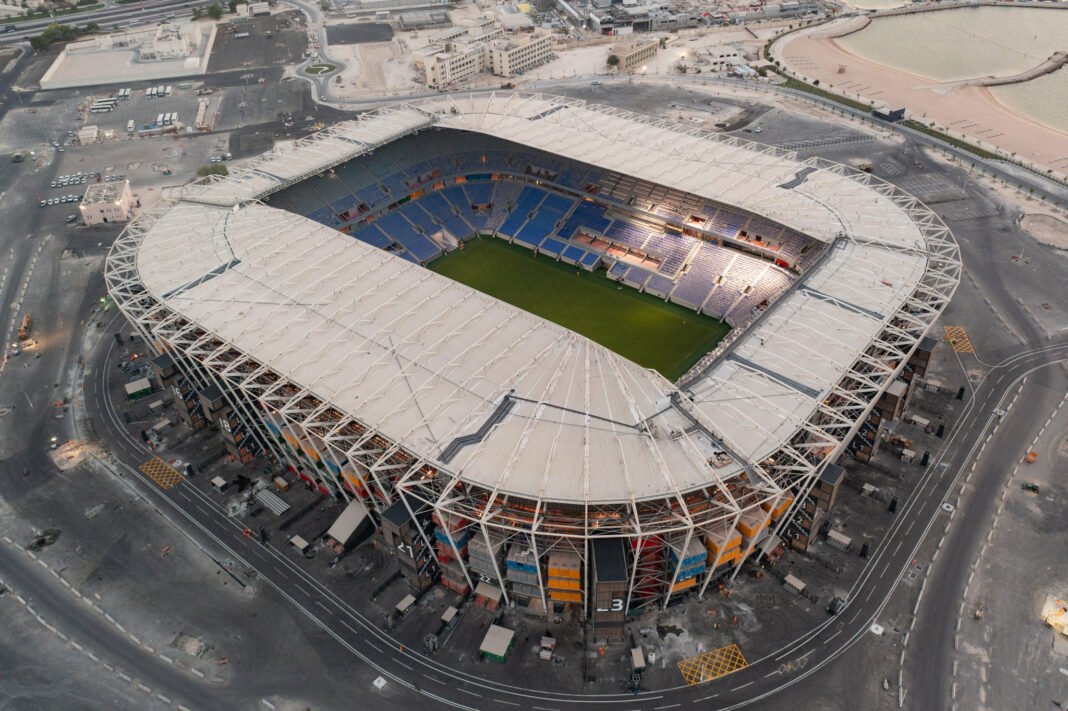
The 974 Stadium concept, though built for Qatar’s World Cup, has inspired African designers to think differently about temporary and modular stadium construction.
Several African nations are exploring adaptable stadium designs that can be scaled up for major tournaments and downsized for regular use, ensuring facilities remain economically viable long after the opening ceremonies conclude.
Cultural Identity in Concrete and Steel
Modern African stadiums are increasingly embracing architectural elements that reflect local culture and history.
Facade designs incorporate traditional patterns, colors, and motifs that tell stories about the communities they serve. This approach creates venues that residents feel proud of—stadiums that belong to Africa rather than generic structures that could exist anywhere.
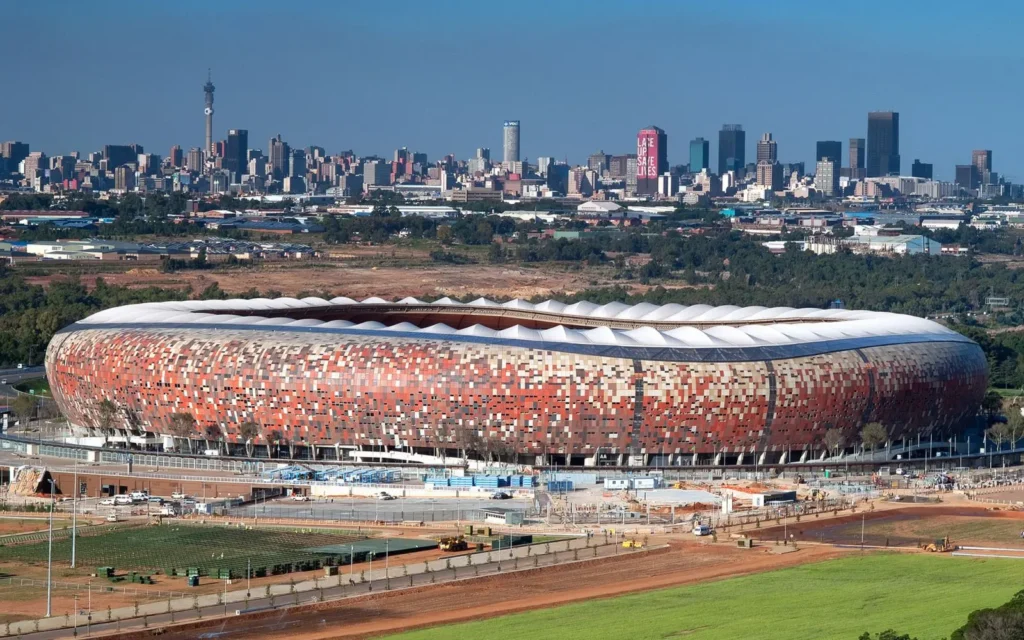
The stadium’s exterior is inspired by the African calabash, a traditional gourd used across the continent
In West Africa, some stadium designs draw inspiration from traditional basket weaving patterns and textile designs.
East African venues incorporate elements reminiscent of Maasai shields and traditional dwelling structures. These cultural touches transform stadiums from purely functional spaces into symbols of national pride and cultural continuity.
Technology Integration
The digital revolution has not bypassed African stadiums. Next-generation venues are integrating smart technologies that enhance both the spectator experience and facility management.
High-speed Wi-Fi networks allow fans to share their experiences in real-time, while mobile apps provide seat navigation, instant replays, and food ordering services.
Advanced LED lighting systems create spectacular visual effects while consuming less energy than traditional floodlights.
Digital ticketing systems reduce queues and provide valuable data about attendance patterns. Some stadiums are even experimenting with cashless payment systems that streamline transactions and improve financial transparency.
Security technology has also advanced significantly. Modern facial recognition systems, metal detectors, and surveillance networks help ensure fan safety without creating oppressive environments.
These security measures have become increasingly important as African nations host more high-profile international events.
Multi-Purpose Design Philosophy
African stadium designers have learned valuable lessons from the “white elephant” problem—venues that become expensive burdens after major tournaments end. The solution lies in multi-purpose design that ensures stadiums remain relevant and financially sustainable throughout the year.
Contemporary African stadiums incorporate retail spaces, restaurants, conference facilities, and hotels within their structures.
Some include sports medicine clinics, training facilities, and sports science centers that serve local athletes year-round. Others feature museums celebrating sporting history or cultural heritage, creating tourist destinations that generate revenue beyond event days.
This integrated approach transforms stadiums from single-use facilities into community hubs that contribute to local economic development.
By hosting concerts, religious gatherings, graduation ceremonies, and cultural festivals, these venues become woven into the social fabric of their communities.
Accessibility and Inclusivity
Modern African stadium design prioritizes accessibility for all community members. Wheelchair-accessible seating, ramps, and facilities ensure that people with disabilities can enjoy events comfortably.
Family sections provide safe, welcoming spaces for parents with young children. Women-only sections in some venues respect cultural preferences while encouraging female participation in sporting culture.
Affordable pricing strategies for certain seating sections ensure that stadiums remain accessible to ordinary citizens, not just elite fans. This inclusivity helps build passionate fan bases and ensures stadiums fulfill their role as community assets rather than exclusive enclaves.
The Road Ahead
The future of African stadiums looks increasingly innovative. Architects are exploring designs that incorporate green spaces, urban gardens, and biodiversity corridors that benefit surrounding neighborhoods.
Some propose stadiums with rooftop parks or integrated public transportation hubs that reduce traffic congestion.
Virtual and augmented reality technologies may soon enhance the fan experience, offering immersive replays and interactive features. Smart stadium systems could use artificial intelligence to optimize everything from crowd flow to energy consumption, creating more efficient and enjoyable venues.
Perhaps most importantly, African nations are developing homegrown expertise in stadium design and construction.
Local architectural firms, engineers, and construction companies are gaining experience and confidence with each new project, reducing dependence on foreign expertise and keeping more economic benefits within Africa.
Conclusion
Africa’s next-generation stadiums represent far more than upgraded sporting facilities. They embody the continent’s aspirations, creativity, and commitment to sustainable development.
By blending innovative technology with cultural authenticity, environmental responsibility with economic pragmatism, these venues are setting new standards for what African infrastructure can achieve.
As these stadiums rise across the continent, they’re not just hosting matches—they’re hosting dreams, building communities, and showcasing Africa’s potential to the world.
The concrete and steel may form the structure, but African ingenuity, sustainability, and cultural pride provide the foundation for these remarkable venues that will serve generations to come.
Also Read
Five World’s Most Unique Sports Structures
Biggest Ongoing Construction Projects in East Africa 2025

- KeNHA’s World Bank Funding Boost: Inside Kenya’s KSh Multi-Billion Expressway Masterplan - March 25, 2026
- SASSA locks in full-year social grant payment schedule — and announces biggest increases in years - March 24, 2026
- Next-Gen Excavators Heading to Steinexpo: Efficiency, Automation & Power - March 24, 2026
