
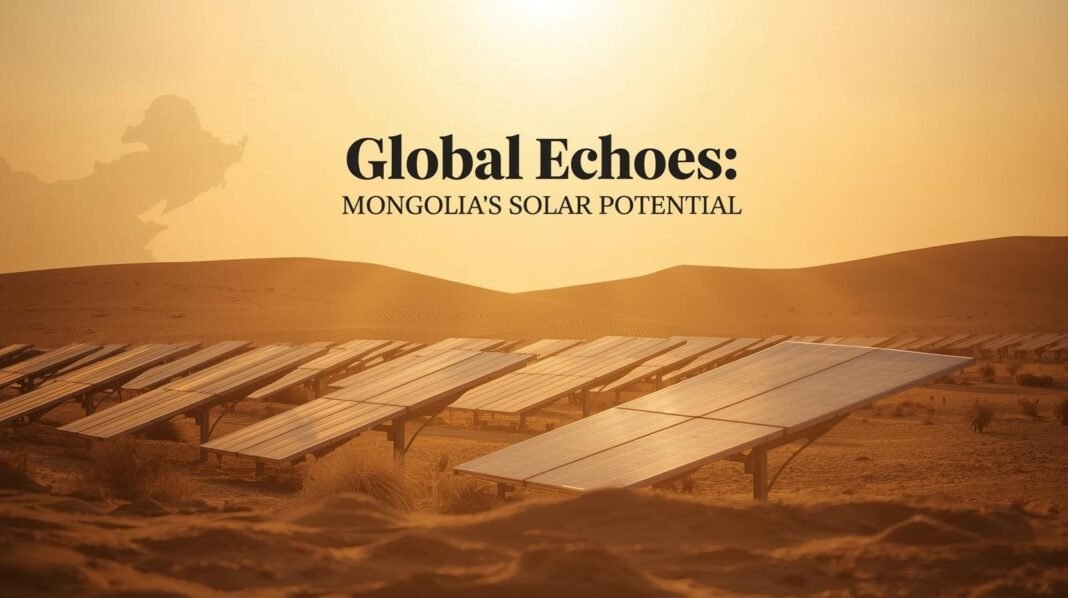
Ulaanbaatar, Mongolia – April 2026:In the shadow of the Khentii Mountains, where Genghis Khan once rallied his hordes, a quieter revolution brews.
Mongolia’s endless Gobi Desert and wind-swept steppes hold 2,600 gigawatts of untapped solar and wind potential—enough clean power to light up Beijing, Seoul, and Tokyo combined. Sandwiched between energy-hungry China and Russia, this sparsely populated nation of 3.3 million could export megawatts like it does coal today.
Yet coal still generates 80-90% of its electricity, choking Ulaanbaatar in winter smog that kills thousands prematurely.
It’s a paradox tailor-made for our decarbonizing age: world-class renewables versus fossil-fuel inertia.
Can Mongolia break free? Recent solar pushes in ger districts, billion-dollar Saudi deals, and EU partnerships suggest yes. But grids creak, winters bite to -40°C, and coal pays the bills. This is the story of a potential superpower—and the barriers keeping it grounded.
The Golden Landscape: Resources Beyond Imagination
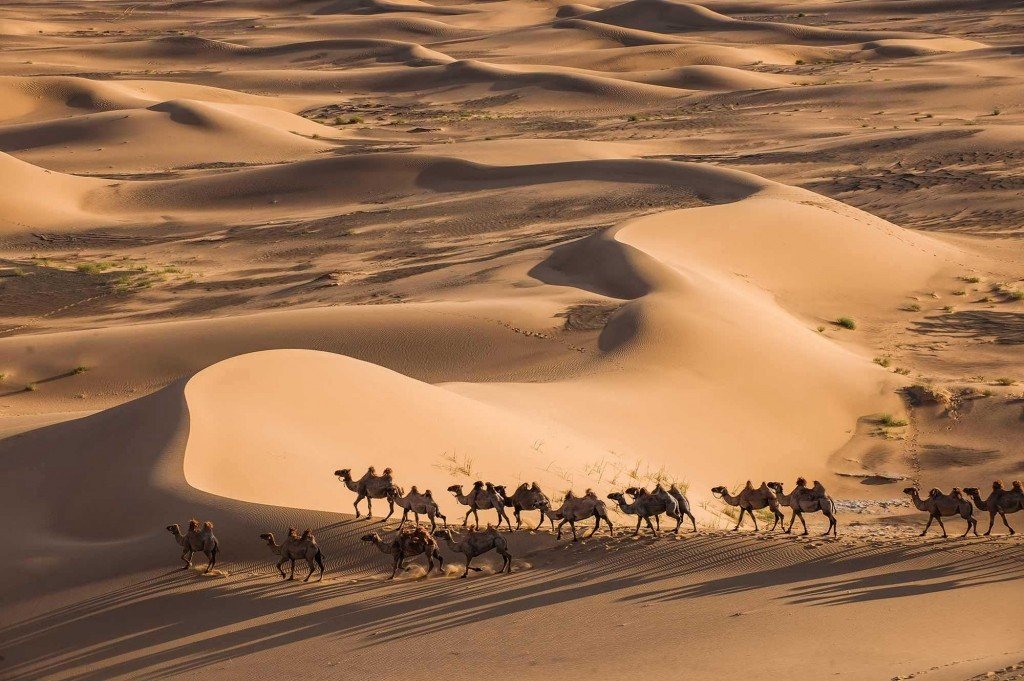
Drive south from Ulaanbaatar, past nomadic herders tending yak herds, and the Gobi unfolds like an infinite canvas. Here, solar irradiation tops 1,800 kilowatt-hours per square meter yearly—on par with Saudi Arabia’s sun-baked dunes.
Studies peg exploitable solar at over 600 GW, while wind corridors average 7-8 meters per second, yielding 2,000 GW more. That’s versus today’s puny 1.5-2 GW total capacity.
“Mongolia’s path to a cleaner future lies in investing in renewable energy and green technology,” Jürgen Hartwig of GIZ Mongolia told a 2026 Ulaanbaatar forum, emphasizing EU-backed pilots. The math dazzles: one Gobi solar farm could meet domestic needs 300 times over, leaving surplus for export.
Geography amplifies the prize. China’s northern grid thirsts for clean power amid its coal crackdown; Japan and South Korea eye imports to hit net-zero.
Mongolia already trickles electricity across borders but dreams of gigawatt-scale lines—perhaps via a Northeast Asia supergrid. Tavan Tolgoi, the coal behemoth, could pivot to turbine hubs.
Gobi winds propel turbines, a beacon for scale-up.
Coal’s Iron Grip: Smog, Survival, and Economics
Reality crashes in Ulaanbaatar’s winter haze. The capital, housing half the population, hunkers in a mountain-ringed valley where cold air traps particulates from coal-fired stoves. Ger districts—makeshift yurt suburbs swollen by rural migrants—burn raw coal for heat and cooking, spewing 60% of PM2.5. It’s a global pollution hotspot, with respiratory ills and GDP drags nearing 10%.
Four Soviet-era combined heat-and-power plants dominate, churning coal for electricity and district steam. Beyond power, coal is king: Mongolia ranks among top coking exporters, revenues funding roads, schools, even the sovereign wealth fund now eyeing data centers. South Gobi mines employ tens of thousands; abrupt cuts risk unrest.
Tsenguun Saruulsaikhan, a Mongolian parliamentarian, lamented at the same forum: “Despite billions invested, air quality lags benchmarks.” Extreme cold demands baseload—solar fades when needed most—locking in fossils until storage scales.
The Human Cost
In Chingeltei District’s ger alleys, herders trade coal for solar. “Coal keeps us alive, but it’s killing my grandchildren,” says one resident, eyeing a new heater. Pilots here prove the fix: solar detaches homes from coal, slashing emissions.
Cracks in the Coal Wall: Solar Gers and Wind Wins
Hope glimmers off-grid first. Herders long used diesel; now solar kits with battery heat storage power yurts, bypassing frayed lines. A 2025 UNDP-China project launched Chingeltei installations, targeting full ger electrification—a model for 600,000 stoves nationwide.
Grid-side, the 50 MW Salkhit Wind Farm feeds Ulaanbaatar reliably since 2013. Darkhan Solar follows suit. A 100 MW provincial array advances this year.
Government vows 30% renewables by 2030 (from 18% capacity), fueled by loans for hybrids. Saudi Arabia nears “major green energy deals,” possibly hydrogen from Gobi sun. “We’re exploring progress and pathways for a just energy transition,” one UN partner noted post-2025 dialogue.
The Tetris of Barriers: Grids, Cash, Jobs, Cold
Superpower status demands solving interlocking puzzles.
1. The Soviet Grid Shackle
Central Energy System strains under peaks; western mini-grids run diesel. Variable renewables need smart upgrades—multi-billion-dollar lifts.
2. Investor Jitters
Currency swings and off-take doubts scare capital. Coal’s predictability trumps solar’s promise.
3. Just Transition Trap
Gobi towns live off coal; retrain miners for panel factories? Regional gaps widen without rural grids.
4. Winter’s Cruel Math
Solar dips December; wind helps, but batteries for -40°C baseload cost a fortune. Interconnects to China/Russia offer backup.
Patience rules: Morocco took 20 years to export renewables. Mongolia’s clock ticks with China’s domestic solar boom narrowing the export window.
Blueprint for Blast-Off: 2040 Vision
Fast-forward to a 10-15 GW green grid. Ulaanbaatar’s PM2.5 drops 20-30%; exports to China net hundreds of millions yearly. Data centers hum on desert power; turbine plants rise in ex-coal towns. Like Morocco, Mongolia diversifies: from pickaxes to photovoltaics.
Policy must stick—past churn spooked investors. The new Chinggis Khaan fund targets infra, blending coal windfalls with green bets. Sustainable Development Vision 2030 aligns: low-carbon paths via public-private pacts. “Mongolia’s low-carbon future” demands it, per official rhetoric.
Global Echoes
Morocco’s Noor solar exported to Europe; Chile sells Atacama sun to neighbors. Mongolia’s Gobi could mirror, but needs Beijing’s buy-in.
Dateline Gobi: On the Ground
At Salkhit, turbines tower over sheep trails. “Wind never sleeps like coal plants do,” grins engineer Batbold. Nearby, a 2026 solar tender buzzes—100 MW to light provinces. In Ulaanbaatar, ger moms beam: “First clean winter in years.”
Yet Tavan Tolgoi miners eye layoffs warily. “Renewables? Fine, but feed my family first,” says driver Enkhtur. Just transition isn’t slogan—it’s survival.
The Verdict: Potential Meets Resolve
Mongolia isn’t a superpower yet. Barriers loom large; full shift spans decades. But physics favors it: unmatched resources, voracious markets, pollution’s whip. Leaders from Saruulsaikhan to Hartwig demand action.
In a January dawn, Ulaanbaatar’s haze lifts briefly, revealing blue sky. That’s the promise—a nation trading black lung for green gold. Will it seize it? The steppe waits.
Also Read
Stalled coal power projects in Africa present an opportunity for clean energy
World records 76% reduction in proposed coal power

- Why Mongolia Could Become a Renewable Energy Superpower - April 1, 2026
- Best Bathroom Vanities in 2026: Top Picks for Style, Storage & Value - April 1, 2026
- Globe Roundabout Reopens: KeNHA Restores Traffic Flow on Thika Superhighway - March 26, 2026
