

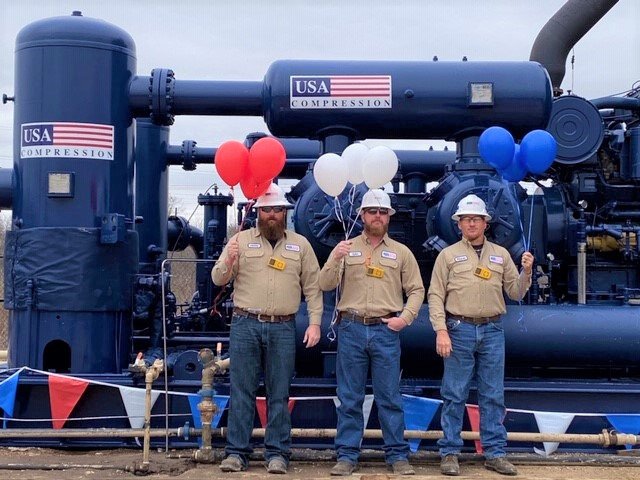
The compression services sector just got a major shakeup. USA Compression Partners’ strategic acquisition of J-W Power Company signals more than just corporate consolidation—it’s a clear indicator of where natural gas infrastructure investment is heading, and construction firms need to pay attention.
The Deal Behind the Headlines
USA Compression Partners (USAC), already one of the largest independent providers of compression services in North America, has acquired J-W Power Company in a move industry insiders are calling transformative.
While the financial details are making waves in investor circles, the real story for construction and engineering firms is what this consolidation means for project pipelines over the next 12-24 months.
This isn’t happening in a vacuum. As we close out 2025, natural gas production in the Lower 48 states continues to climb, driven by technological advances in extraction and sustained demand for cleaner-burning fuel sources.
When production rises, compression infrastructure must follow—and that means construction opportunities heading into 2026.
What This Means for Compression Station Construction
The consolidation of two major players typically leads to three outcomes that directly impact construction activity:
Fleet Optimization and Expansion: Combined operations mean reassessing total compression capacity needs. USAC will likely identify gaps in their service coverage and equipment capabilities, leading to new compression station builds or significant upgrades to existing facilities.
For construction firms specializing in industrial gas facilities, this could translate into RFPs for turnkey compression station projects.
Geographic Footprint Expansion: J-W Power brings its own service territories and customer relationships. Where these don’t overlap with USAC’s existing footprint, expect infrastructure buildout.
The Permian Basin, Haynesville Shale, and Appalachian regions remain hotspots, but watch for activity in emerging plays where both companies previously had limited presence.
Technology Upgrades: Merged fleets often undergo standardization. Older compression units may be retired or relocated, while new high-efficiency units get deployed. This creates opportunities not just for new construction but for decommissioning services, site remediation, and equipment installation contracts.
Key Construction Sectors to Watch
Several specialized construction segments stand to benefit:
Pad and Foundation Work: Every compression unit needs a properly engineered foundation. With fleet expansion comes demand for concrete work, grading, and site preparation. Contractors with experience in vibration-dampening foundations and equipment pads should position themselves now.
Electrical and Controls Infrastructure: Modern compression stations are increasingly sophisticated, requiring extensive electrical work, SCADA systems, and remote monitoring capabilities. Electrical contractors with industrial controls experience will find opportunities in both new builds and retrofits.
Pipeline Tie-Ins and Gathering Systems: Compression stations don’t operate in isolation. New facilities require connection to existing gathering systems, which means pipeline construction, valve installations, and metering stations. Look for bundled project scopes that include both the compression facility and associated pipeline infrastructure.
Environmental and Emissions Controls: Regulatory requirements continue to tighten around emissions from compression equipment. This drives demand for vapor recovery units, enclosed combustion systems, and emissions monitoring equipment—all requiring specialized installation expertise.
Timeline and Project Flow Expectations
Based on typical post-acquisition integration patterns, here’s what construction firms should anticipate:
Q1 2026: Integration planning wraps up and priority projects get greenlit. Expect initial RFPs to hit the market as the combined entity moves from assessment to execution phase.
Q2-Q3 2026: RFP activity accelerates. Expect projects to focus on high-priority capacity additions in high-demand basins. These will likely be standardized, repeatable designs that can be executed rapidly.
Q4 2026 and Beyond: Larger, more complex projects emerge as the strategic buildout plan fully materializes. This is when we’ll see greenfield compression station developments and major facility expansions.
Smart contractors are already having conversations with equipment suppliers and engineering firms to understand the technical specifications USAC typically requires, ensuring they’re qualified and ready when bidding opportunities emerge.
Regional Hotspots for Infrastructure Investment
Not all natural gas plays are created equal when it comes to compression needs. The Lower 48’s most active regions tell us where construction activity will concentrate:
Permian Basin: Remains the crown jewel of US natural gas production. Associated gas from oil production continues to require extensive midstream infrastructure, including compression. West Texas and southeastern New Mexico will see sustained activity.
Haynesville Shale: This Louisiana-Texas play is experiencing a renaissance driven by LNG export demand. Compression infrastructure here serves both domestic markets and Gulf Coast LNG terminals, making it doubly strategic.
Appalachian Basin: Despite pipeline constraints, production remains robust. Local compression needs will persist, particularly for gathering systems serving smaller producers who need third-party compression services.
What Construction Firms Should Do Now
Waiting for formal project announcements puts you behind the curve. Here’s how to position your firm for success:
Develop Relationships Early: If you’re not already talking to USAC’s procurement and engineering teams, start now. Understand their preferred vendors, technical standards, and project delivery expectations.
Invest in Relevant Certifications: ISNetworld, PEC SafeLandUSA, and other industry-specific safety qualifications are often prerequisites for bidding. Ensure your safety programs meet operator expectations.
Build Technical Capabilities: Compression station work requires specific expertise. If your firm lacks experience with high-horsepower industrial equipment installations or natural gas systems, consider partnerships or strategic hires.
Monitor Permits and Regulatory Filings: Air quality permits, pipeline crossing applications, and other regulatory filings provide early signals of where projects are headed. These documents become public record and offer valuable intelligence.
Understand Equipment Lead Times: Long-lead items like compression units, electrical switchgear, and specialized valves can drive project schedules. Contractors who understand these constraints and can help operators manage them add significant value.
The Bigger Picture: Natural Gas Infrastructure Growth
This acquisition isn’t an isolated event—it’s part of a broader trend of midstream consolidation and infrastructure investment. Natural gas is positioned as a transition fuel in the energy landscape, bridging conventional hydrocarbons and renewable sources. That means sustained investment in gas infrastructure for years to come.
For construction firms, the message is clear: compression infrastructure represents a stable, growing segment with opportunities across multiple skill sets and trades. The USAC-J-W Power deal is a catalyst that will accelerate project activity in an already robust market.
The companies best positioned to capitalize will be those that move proactively, build the right relationships, and understand the technical and operational requirements of modern compression facilities. The opportunity is real, substantial, and unfolding right now.
Also Read
After 1,650 Days in Limbo, Africa’s Mega-LNG Project Roars Back to Life
Trump Pulls Plug on Nairobi’s $60 Million Bus Project Just Months After Launch

- Africa’s Water Reuse Opportunity: Building the Infrastructure for a Water-Secure Future - September 28, 2026
- Why Water Reuse Is Becoming a Business Imperative for African Industry - September 28, 2026
- Africa’s Water Reuse Opportunity: Why Treatment Plants Must Be Designed as Complete Systems - September 22, 2026
