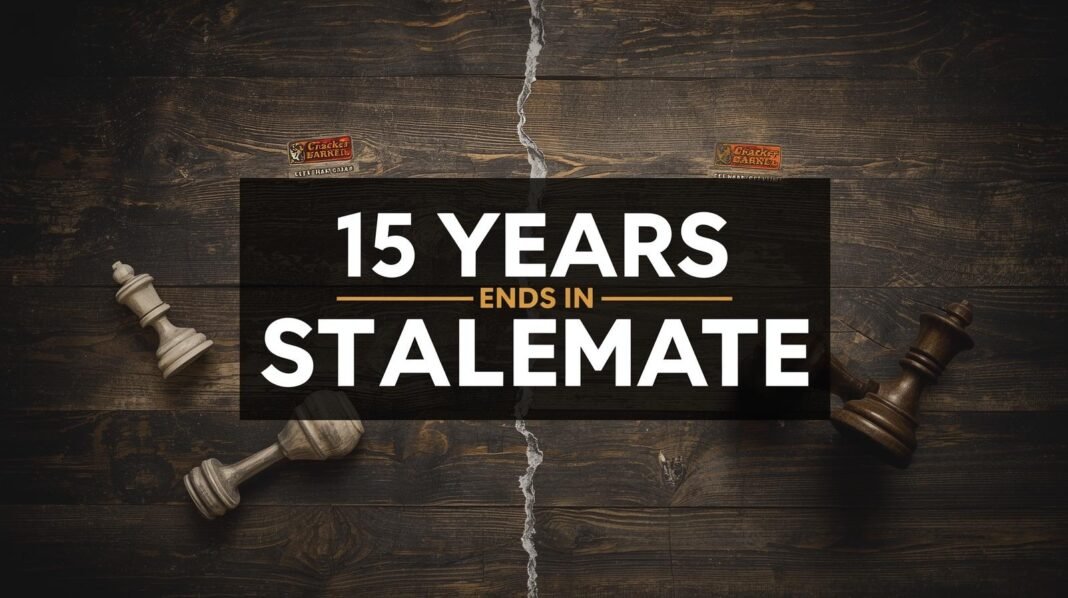
After 15 years of relentless battles, activist investor Sardar Biglari’s latest campaign against Cracker Barrel ended in a split decision.
CEO Julie Masino survived a shareholder vote to oust her, but the company’s board shrank from 10 to nine members after director Gilbert Dávila failed to secure enough votes to remain.
The vote marks Biglari’s eighth proxy fight with the Tennessee-based restaurant chain since 2010, and perhaps his most intense.
This time, he had ammunition: a disastrous logo redesign in August that sparked nationwide backlash, prompted intervention from President Trump, and sent the company’s stock tumbling.
Biglari, who chairs San Antonio-based Biglari Holdings and owns roughly 3% of Cracker Barrel shares, blamed Masino for what he called one of the century’s worst brand blunders.
The CEO had championed removing “Uncle Herschel,” the chain’s beloved old-timer mascot, in favor of a minimalist text-only logo. Customer fury erupted across social media within days. Conservative critics accused the chain of going “woke” and abandoning its traditional values.
The company reversed course within a week, but the damage was done. Traffic fell 8% immediately following the August 19 rollout, and Cracker Barrel now projects guest visits could decline between 4% and 7% for the full 2026 fiscal year.
Despite these headwinds, Masino argued that loyalty program signups surged during the controversy, suggesting some customers remain committed to the brand.
Dávila, a multicultural marketing consultant who served on the board for five years and chaired the compensation committee, became a focal point of criticism.
Two major proxy advisory firms, Institutional Shareholder Services and Glass Lewis, recommended voting against him while supporting Masino.
The firms cited the rebranding debacle and broader concerns about the company’s financial performance, which has seen revenue growth stall and net income plummet from $99 million in 2023 to just $41 million in 2024.
But shareholders handed Biglari a defeat on his primary objective. Masino retained her board seat with enough support to continue leading the company’s transformation strategy.
The chain is investing $700 million to modernize its aging brand, including menu updates, kitchen efficiency improvements, and targeted value offerings like $8.99 early dinner specials.
The real victory for Cracker Barrel may have come in the bylaw changes shareholders approved alongside the board elections.
These new provisions appear specifically designed to limit Biglari’s ability to wage future proxy battles.
One measure bars candidates from renomination for up to three years if they fail to receive at least 20% of the vote.
Another could force a persistent activist to pay up to $5 million in company expenses if their nominees repeatedly fail to win 25% support across multiple proxy fights.
Board chair Carl Berquist defended the measures as necessary protections against what he called “serial abuse of the proxy system,” noting that the company is unaware of any comparable situation in U.S. corporate history outside of Biglari’s 15-year campaign.
The provisions were developed in consultation with major shareholders who have grown frustrated with the ongoing battles.
For Biglari, the outcome represents a partial win at best. He successfully removed one board member and kept pressure on management, but failed to dislodge the CEO or gain the influence he sought. Meanwhile, the new bylaws significantly raise the stakes for future challenges.
The question now is whether Masino can stabilize the brand and reverse declining traffic. The chain’s leadership maintains that their strategic plan is working, pointing to same-store sales growth of 5.4% in the most recent quarter.
But those results predate the logo controversy, and the coming months will reveal whether Cracker Barrel can rebuild trust with customers who felt betrayed by the modernization attempt.
After 15 years of warfare, both sides remain entrenched. Biglari still holds his shares and his grievances. Masino still holds her job and her transformation agenda.
The only certainty is that the next proxy fight, if it comes, will be more expensive and more difficult than ever before.
Also Read
Stock Market Closing Time Today: Nov 26, 2025 + Thanksgiving Week Hours
US Stocks With the Biggest Gains Today

