

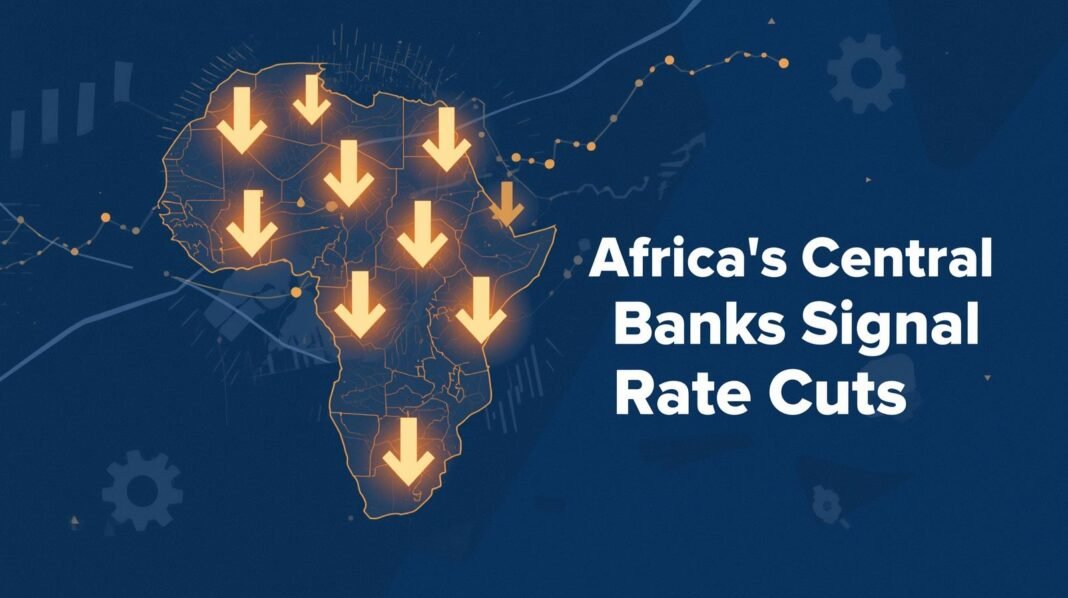
As inflation begins to ease across several African economies, central banks are preparing to shift from aggressive tightening to carefully measured interest rate cuts.
This potential policy pivot marks one of the most significant monetary shifts since the post-pandemic period — and it is already drawing close attention from investors, lenders, and businesses across the continent.
The expectation of upcoming rate cuts has sparked debate: Will this unlock growth? Could currencies weaken? How will capital markets respond? Here’s what this policy turn could mean for Africa’s financial landscape.
Why Central Banks Are Signaling Rate Cuts
Over the last two years, many African central banks raised interest rates sharply to control inflation driven by global supply disruptions, high commodity prices, and currency pressures. Now, several indicators suggest the environment is improving:
1. Inflation Is Moderating
Countries such as Kenya, Ghana, South Africa, Zambia, and Nigeria are recording gradual declines in inflation. While rates remain above pre-pandemic levels, the downward trend gives central banks more room to ease tightening cycles.
2. Growth Pressures Are Mounting
High rates have made borrowing expensive for both households and businesses. This has slowed domestic demand, delayed investments, and hampered small enterprise credit access. Rate cuts could stimulate activity in key sectors such as construction, manufacturing, agriculture, and services.
3. Global Conditions Are Shifting
The U.S. Federal Reserve and European Central Bank are expected to relax their stance in early 2025. This global softening cycle creates a more favorable environment for African policymakers to follow suit without risking severe capital outflows.
Which African Markets Are Likely to Cut Rates First?
While timing varies by country, analysts expect early signals from:
-
South Africa – If inflation remains within target, the SARB may consider gradual cuts to support a sluggish economy.
-
Kenya – With inflation stabilizing and credit markets under pressure, policymakers may explore easing to boost growth.
-
Ghana – After one of the continent’s steepest tightening cycles, rate cuts may begin once fiscal consolidation gains momentum.
-
Zambia and Uganda – With improving inflation profiles, these markets are also seen as candidates for early adjustments.
How Markets Could React to Upcoming Rate Cuts
1. Bond Markets: A Potential Rally
Lower interest rates typically push existing bond prices higher. Investors anticipating cuts may increase positions in government securities to lock in higher yields before rates decline.
Short-term bonds may see immediate demand, while longer-term bonds could benefit if inflation expectations continue to cool.
2. Equity Markets: Renewed Momentum
Rate cuts generally support:
-
Listed banks through increased lending volumes
-
Construction and infrastructure firms through cheaper project financing
-
Consumer goods companies as household spending recovers
-
Retail, logistics, and manufacturing sectors benefiting from reduced credit costs
African stock exchanges could see renewed inflows from both local and foreign investors.
3. Currency Outlook: Mixed Reactions
Rate cuts can weaken local currencies, especially if investors shift toward markets with higher yields. However, if cuts support economic recovery, currencies may stabilize over time.
The markets to watch include:
-
Kenyan shilling
-
South African rand
-
Ghanaian cedi
-
Nigerian naira
Central banks will likely adopt cautious, gradual cuts to avoid destabilizing FX markets.
4. Lending and Credit Conditions: Easing Expected
Mortgage rates, business loans, and personal credit lines could slowly decline as policy rates fall. This may boost:
-
SME borrowing
-
Real estate activity
-
Vehicle and equipment financing
-
Agricultural input financing
-
Working capital flows to manufacturing and logistics companies
What Investors Should Watch Next
The next few months will be critical. Analysts recommend monitoring:
-
Inflation trends and central bank statements
-
Currency movements and foreign reserve levels
-
Global rate decisions (especially the U.S. Fed)
-
Commodity prices, which heavily influence African monetary policy
If conditions align, Africa could enter a new phase of monetary easing that supports growth while maintaining inflation stability.
Bottom Line
Africa’s central banks are signaling a cautious transition toward rate cuts as economic pressures ease and global monetary policy softens.
The shift presents opportunities — from stronger equity markets to improved credit conditions — but also risks, particularly for currencies and debt markets.
As investors, businesses, and policymakers prepare for this turning point, one thing is clear: rate cuts could reshape Africa’s economic landscape in 2025.
Also Read
Stock Futures Rise as Markets Eye Nvidia Earnings
NVIDIA Stock Price in Focus Ahead of Q3 Earnings Report

- From Operator to Algorithm: Bedrock Puts Autonomous Excavators to Work on Live Construction Sites - September 7, 2026
- Built For The Rough Stuff: Inside Titan’s new ForestEDGE™ Tyre Line - September 4, 2026
- South Africa Has R395 Billion in Infrastructure Projects — But Can the Industry Deliver Them? - August 26, 2026
