South Africa’s Department of Home Affairs (DHA) is expanding access to the Smart ID card—a modern, biometric identification system replacing the traditional green bar-coded ID book.
This rollout includes a strategic partnership with major banks to improve accessibility for all eligible South Africans.
Bank Partnership: A Gradual Expansion
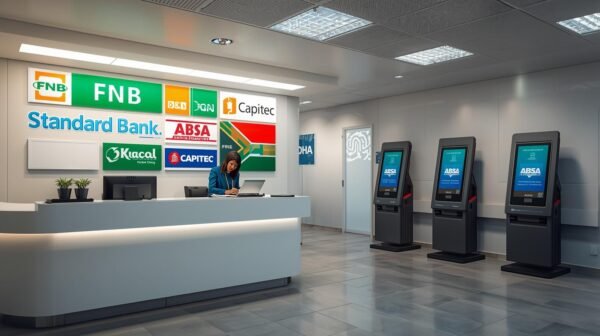
The DHA has partnered with nine major banks to expand Smart ID and passport services beyond traditional Home Affairs offices. These banks include:
- Capitec Bank
- First National Bank (FNB)
- Standard Bank
- Absa
- Nedbank
- Discovery Bank
- Investec Bank
- African Bank
- TymeBank (invited, status pending)
Current Status (November 2025)
As of November 2025, approximately 32 bank branches across South Africa offer Smart ID and passport services—a significant increase from the original pilot of 30 branches that operated for nearly a decade.
Branch distribution by province:
- Gauteng: 19 branches
- Western Cape: 5 branches
- KwaZulu-Natal: 3 branches
- Eastern Cape: 2 branches
- Northern Cape: 1 branch
- Limpopo: 1 branch
- Mpumalanga: 1 branch
- Free State and North West: Not yet covered (expected in 2026)
Expansion Timeline
The rollout is highly phased and far from complete:
- Capitec: Started with 10 branches in October 2025, expanding to 100 branches by early 2026, with plans for 300 branches by end of 2026
- FNB: 15 branches initially, expanding to 240 branches within a year
- Standard Bank: Testing at 2 pilot branches; 20 new branches planned for early 2026, eventually reaching 300 by 2027
- Target for all banks: 1,000 branches by 2029
Important: The expansion is gradual. Most banks are still in early implementation phases, and many promised branches are not yet operational.
Who Is Eligible?
Major 2025 Breakthrough
On May 12, 2025, the DHA made a historic change: naturalised citizens and lawful permanent residents from visa-exempt countries became eligible to apply for Smart IDs for the first time in South African history.
This affects approximately 1.4 million people (800,000 naturalised citizens and 700,000 permanent residents) who were previously forced to use only the green bar-coded ID book.
Eligibility includes:
- South African citizens (16 years and older)
- Naturalised citizens
- Permanent residents from visa-exempt countries
Note: Permanent residents from non-visa-exempt countries will be included in a second phase once application volumes decrease. The DHA will announce when this phase begins.
How to Apply for Your Smart ID
Step 1: Register on eHomeAffairs
Visit the official DHA eHomeAffairs portal and create an account.
Step 2: Complete Online Application
- Upload required documents (birth certificate, proof of residence, etc.)
- Pay the application fee online
Step 3: Book an Appointment
Critical: Walk-ins are NOT permitted. You must book an appointment through:
- The DHA Branch Appointment Booking System (BABS) for Home Affairs offices
- The eHomeAffairs portal for participating bank branches
Step 4: Attend Your Appointment
Visit your chosen bank branch or Home Affairs office to:
- Provide biometric data (fingerprints, photo, signature)
- Submit original documents for verification
Step 5: Collect Your Smart ID
You’ll receive an SMS notification when your Smart ID is ready for collection (typically 7-14 working days). Collect it from the same branch where you applied.
Fees and Costs
- First-time applicants under 17: FREE
- First-time applicants 16+ years: FREE
- Replacement for lost/stolen/damaged ID: R140
- Upgrading from green ID book to Smart ID: R140
- Pensioners (60+ years): FREE
Key Benefits of the Bank Partnership
1. Improved Accessibility
Bank branches provide additional service points, particularly beneficial for people in areas far from Home Affairs offices.
2. Enhanced Security
The Smart ID features advanced biometric authentication, including:
- Embedded microchip with personal data
- Fingerprint verification
- Digital photograph
- Enhanced anti-fraud measures
3. Greater Inclusivity
The May 2025 expansion to naturalised citizens and permanent residents represents a major step toward equality and improved national security.
4. Digital Integration
The eHomeAffairs platform allows online applications, appointment booking, and application tracking—reducing physical queues and improving efficiency.
Mobile App Services: Coming Soon
While some banks have announced plans to offer Smart ID applications through mobile banking apps, this service is not yet available. It’s described as coming “at a later stage” following successful implementation of in-branch services.
Important Considerations
- Not all branches are operational yet: The rollout is phased and ongoing. Check the eHomeAffairs website for current participating branches.
- High demand: Appointment slots fill up quickly. Book well in advance.
- Appointments are mandatory: You cannot walk into a bank branch without a pre-booked appointment.
- Green ID books remain valid: Until you receive your Smart ID card, retain your green bar-coded ID book. The green book remains valid for now, though the government plans to phase it out completely.
- Processing time: Allow 7-14 working days for your Smart ID to be ready.
Looking Ahead
The Smart ID rollout represents a transformative shift in South Africa’s identity management system. While the vision is ambitious—1,000 bank branches by 2029—the current reality is that implementation is in its early stages.
Current reality check: As of November 2025, only about 32 branches offer the service, with significant expansion expected throughout 2026 and beyond.
Take Action
If you’re eligible for a Smart ID:
- Check your eligibility on the DHA website
- Register on eHomeAffairs to create your account
- Book an appointment early at a participating branch near you
- Prepare your documents in advance to avoid delays
Also Read
Conduent’s Q3 Earnings Spark Investor Optimism Despite Revenue Dip
Is Wendy’s Closing? Here’s What’s Really Happening to the Fast-Food Chain in 2025

- SODECA Highlights Industrial Ventilation Technology at Mega Clima Expo Kenya 2026 - October 14, 2026
- How They Were Built: Inside the Engineering of the Lesotho Highlands Water Project - October 11, 2026
- Africa’s Water Reuse Opportunity: Building the Infrastructure for a Water-Secure Future - September 28, 2026