

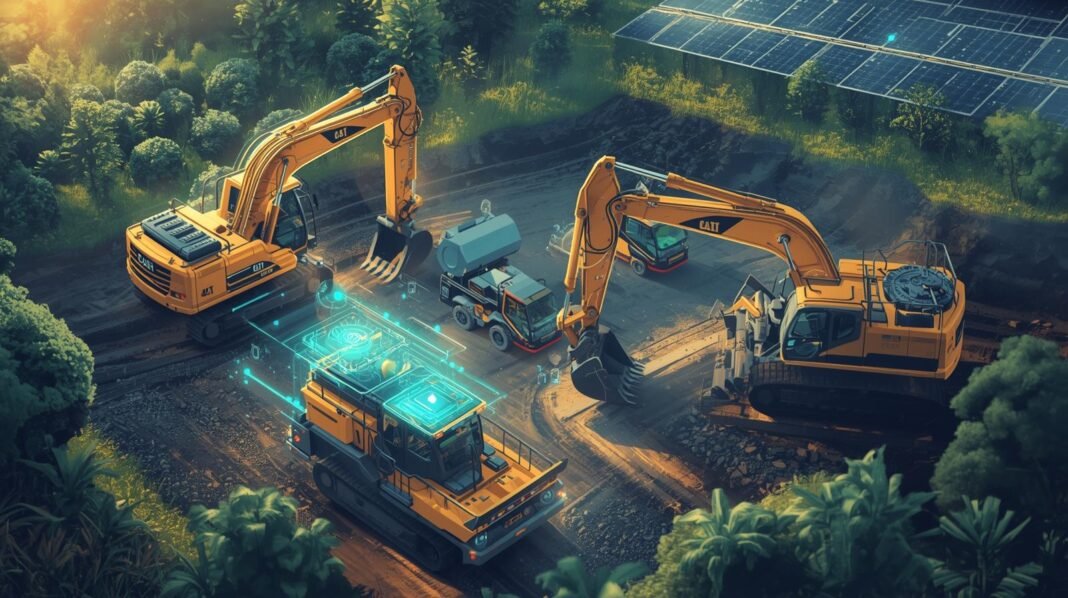
Keeping a heavy equipment fleet running at peak performance is essential for success. As we move through 2025, the landscape of heavy equipment maintenance is evolving rapidly.
Yesterday’s strategies are no longer enough to manage costs, reduce downtime, and ensure safety. For fleet owners, staying ahead of these changes isn’t just an advantage; it’s a necessity.
This post will explore the key heavy equipment trends you need to know. We will cover groundbreaking technologies and shifting priorities that are defining modern fleet maintenance.
You will learn about predictive maintenance, the impact of AI and IoT, the growing importance of sustainability, and how data is empowering smarter decisions.
The Rise of Predictive Maintenance
For years, fleet maintenance operated on a cycle of reactive (fixing what’s broken) or preventive (servicing on a fixed schedule) measures.
While preventive maintenance was a step up, it often led to unnecessary servicing or failed to catch unexpected issues. Now, predictive maintenance is changing the game.
Predictive maintenance uses data from sensors and advanced analytics to forecast when a piece of equipment is likely to fail.
Instead of following a rigid calendar, you perform maintenance exactly when it’s needed.
This data-driven approach helps you prevent breakdowns before they happen, maximizing uptime and reducing repair costs. Technologies like thermal imaging, vibration analysis, and oil analysis provide real-time insights into the health of your machinery, allowing for precise and timely interventions.
AI and IoT: The Brains Behind Smart Fleet Maintenance
Artificial Intelligence (AI) and the Internet of Things (IoT) are the power couple driving the most significant advancements in heavy equipment maintenance. They work together to create a connected, intelligent fleet that can practically manage itself.
How IoT Connects Your Fleet
IoT involves embedding sensors, software, and other technologies into your heavy equipment.
These sensors collect a constant stream of data on everything from engine temperature and fuel consumption to operator behavior and component stress.
This information is transmitted wirelessly to a central platform, giving you a complete, real-time overview of your entire fleet’s operational health.
AI’s Role in Analyzing Data
The sheer volume of data collected by IoT devices would be overwhelming for any human to analyze. This is where AI comes in.
AI-powered algorithms sift through the data, identify patterns, and detect anomalies that signal a potential failure.
For fleet owners, this means receiving automated alerts about a failing hydraulic system or an engine that’s running too hot, long before it becomes a critical problem. These 2025 maintenance strategies transform your approach from reactive to proactive.
Sustainability Becomes a Core Objective
Sustainability is no longer a buzzword; it’s a fundamental business principle. In heavy equipment maintenance, this translates into practices that reduce environmental impact while often improving efficiency and cutting costs.
Fleet owners are increasingly focused on green initiatives that make both financial and ecological sense.
Key Sustainable Maintenance Practices
- Remanufacturing and Rebuilding: Instead of replacing worn components with new ones, remanufacturing restores them to their original specifications. This practice saves significant energy and raw materials compared to producing a new part.
- Eco-Friendly Lubricants: The use of biodegradable oils and greases is on the rise. These products perform as well as their traditional counterparts but cause less harm to the environment in case of a spill.
- Optimizing Fuel Efficiency: A well-maintained engine burns fuel more cleanly and efficiently. Regular maintenance, informed by data analytics, helps reduce emissions and lower fuel consumption, which is often a fleet’s largest operating expense.
Adopting sustainable practices can also enhance your company’s reputation and appeal to clients who prioritize environmental responsibility.
Data-Driven Decision-Making is the New Standard
Gut feelings and experience are valuable, but they are no match for decisions backed by hard data. The modern approach to fleet maintenance relies on collecting and analyzing key performance indicators (KPIs) to optimize every aspect of operations.
Essential KPIs for Modern Fleet Owners
- Mean Time Between Failures (MTBF): This metric helps you understand the reliability of your equipment and identify which assets are underperforming.
- Equipment Downtime: Tracking the amount of time equipment is out of service for unplanned repairs highlights opportunities to improve your maintenance strategy.
- Maintenance Cost Per Hour: This KPI gives you a clear picture of how much it truly costs to run each piece of equipment, helping you make smarter decisions about repair-versus-replace scenarios.
By consistently tracking these and other relevant metrics, you can pinpoint inefficiencies, justify investments in new technology, and build a more resilient and profitable fleet. The heavy equipment trends of 2025 are all centered on using information to work smarter, not just harder.
Embrace the Future of Heavy Equipment Maintenance
The future of fleet maintenance is intelligent, connected, and sustainable. The trends shaping 2025 are not distant concepts; they are practical strategies available today that deliver tangible results.
By embracing predictive maintenance, leveraging AI and IoT, prioritizing sustainability, and making data the foundation of your decisions, you can significantly boost your fleet’s efficiency, reduce long-term costs, and gain a powerful competitive edge.
Don’t let your fleet fall behind. Start exploring how these trends can be integrated into your operations and pave the way for a more productive and profitable future.
Also Read
Best Heavy Equipment Rental Companies in Abu Dhabi
Top 10 Used Construction Equipment Dealers in Dubai (2025)

- From Operator to Algorithm: Bedrock Puts Autonomous Excavators to Work on Live Construction Sites - September 7, 2026
- Built For The Rough Stuff: Inside Titan’s new ForestEDGE™ Tyre Line - September 4, 2026
- South Africa Has R395 Billion in Infrastructure Projects — But Can the Industry Deliver Them? - August 26, 2026
