
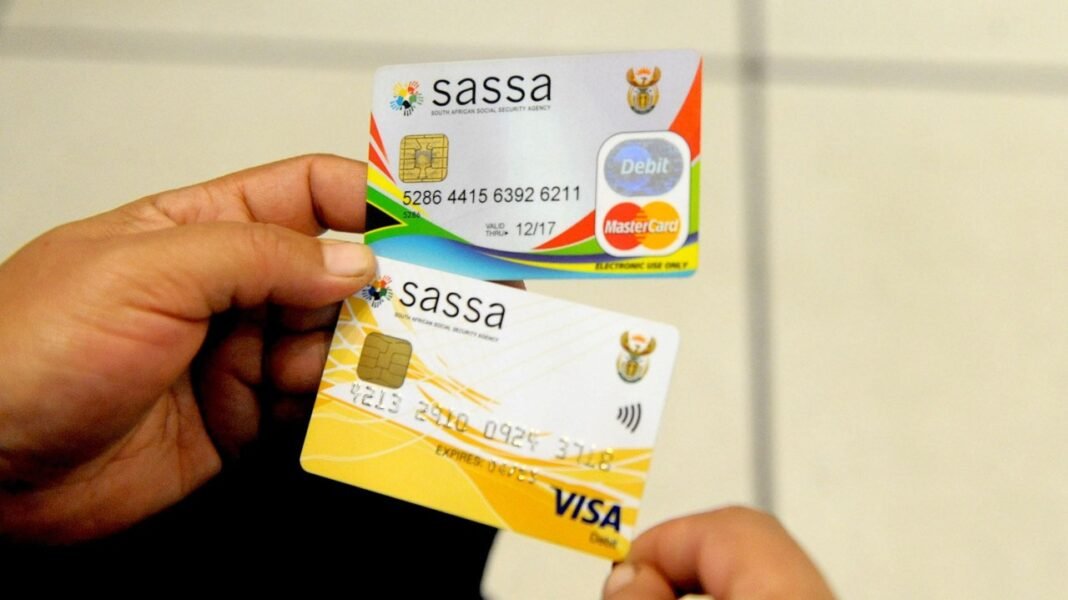
In 2025, the National Treasury introduced a wave of reforms targeting the South African Social Security Agency (SASSA), aiming to improve the integrity of the country’s grant distribution system.
These changes, while rooted in a legitimate concern for accountability and budget discipline, have provoked serious debate among social justice advocates, economists, and affected citizens.
At the core of the reforms lies a push for enhanced verification and stricter monitoring of grant eligibility. Treasury has instructed SASSA to conduct monthly income assessments by checking beneficiaries’ bank accounts.
Additionally, the agency must cross-verify beneficiary data with departments such as Home Affairs, the Unemployment Insurance Fund (UIF), the South African Revenue Service (SARS), the Government Employees Pension Fund (GEPF), and the National Student Financial Aid Scheme (NSFAS).
The goal is to identify fraud, duplication, and ineligibility before grants are paid out.
Addressing Parliament’s Portfolio Committee on Social Development in June 2025, SASSA CEO Themba Matlou confirmed that the agency had already begun implementing these reforms. “We have already started implementing the verification process,” he said.
“This includes verifying beneficiaries’ income through multiple sources and requiring flagged individuals to undergo in-person verification.”
Matlou explained that beneficiaries have a 30-day period to resolve discrepancies before being suspended. He emphasized that SASSA was balancing its verification workload with local capacity in an effort to avoid systemic breakdowns.
The agency is also under pressure to expand biometric identification, particularly for beneficiaries who still use bar-coded IDs instead of smart cards.
For individuals flagged through income checks or data mismatches, in-person verification is now mandatory.
In May alone, more than 210,000 recipients were suspended pending this process, highlighting the scale and intensity of the reforms.
Stricter Controls, Greater Hardship?
While the Treasury’s aim of rooting out fraud is widely supported in principle, the implementation of these reforms has triggered growing concern.
For many South Africans—especially those in rural areas—the cost and effort required to travel to SASSA offices for in-person verification is substantial. Recipients may need to spend R150 or more just to comply with a verification request—an amount that is unaffordable for many who rely on grants to survive.
The risk is that genuine beneficiaries may be wrongfully excluded due to technicalities, travel barriers, or outdated identification.
The Universal Basic Income Coalition has raised alarms, arguing that the reforms could unjustly exclude millions of people from vital support systems.
In a public statement, the coalition warned, “Up to 90% of the exclusions under the new conditions are erroneous, denying over 10 million eligible people monthly grants.”
These figures point to a systemic problem that could have devastating consequences for poor households across the country.
Nathan Taylor, a spokesperson for the #PayTheGrants movement, also voiced concern, stating, “We are concerned that the rapid assessment is not rapid enough. An urgent intervention is needed now.
All we want is to ensure that beneficiaries are put first, and that the system is efficient and effective so that they receive the full value of their grants.” Taylor called for greater civil society involvement and public transparency in refining the verification process.
Legal experts have added their voices to the chorus of concern. In early 2025, the Pretoria High Court declared similar conditions applied to the Social Relief of Distress (SRD) grant to be unconstitutional.
The ruling found that the definitions of “income” and “financial support” used by SASSA and Treasury were too broad and violated the constitutional right to social security.
While the new reforms extend beyond the SRD to permanent grants, critics argue that the same constitutional issues remain.
A Call for Balanced Reform
What is clear is that South Africa is at a crossroads. The government must strike a delicate balance between protecting public funds and ensuring equitable access to social support.
The desire for efficiency must not override the moral and legal obligation to support the country’s most vulnerable.
If reforms are to succeed, they must be implemented with compassion, transparency, and inclusivity. This includes improving digital access, streamlining verification, and providing transport subsidies or mobile units for rural applicants.
As the oversight framework becomes more rigorous, it is vital that the people it is meant to protect are not harmed in the process.
Treasury’s role in safeguarding national resources is crucial—but so is SASSA’s mission to uphold the dignity and welfare of every South African who relies on state support.
Whether these competing goals can coexist remains to be seen. But without adjustments to current practices, the very system meant to reduce poverty could deepen it.
Also Read
SASSA Dismisses Double Grant Payment Rumours for June
SASSA Partners with African Bank to Streamline SRD Grant Payments

